
• Skip to main content
  • Skip to header right navigation
  • Skip to site footer
Weirdly Successful

Weirdly Successful

Dedicated to helping you understand, navigate and enjoy your weird & wonderful neurodivergent life.

  • About Us
    • The team
    • The mission
    • What we do
    • Events
  • Learn
    • Understanding Neurodivergence
    • Diagnosis & Assessment
    • Productivity & Planning
    • Sensory & Body
    • Emotions & Regulation
    • Health & Wellbeing
    • Work & Career
  • Free Resources
    • Latest Articles
    • Neurodivergent Glossary
      • My Glossary
    • Questions & Answers
    • Resource Library
  • Contact Us
    • Send a message
    • Book a Curiosity Call
  • LOGIN

vagus nerve

breathing digestion heart neurobiology self-regulation
by
Livia Farkas (author)  

First published: 24 July, 2026 | Last edited: 24 July, 2026 |🕒 Reading Time: 12 minutes | 🔗
Login / Register to save article for later

The vagus nerve is a bundle of nerve fibres in your body. It runs from the brainstem down through the neck and into the chest and abdomen. It branches out to the heart, lungs, airways, stomach, liver, intestines, and most of the digestive tract. It is the longest cranial nerve in the body.

Roughly 80% of what it carries is sensory information travelling upward. The vagus nerve reports to your brain about what is happening in your organs. The remaining 20% carries regulatory instructions back from the brain to those same organs.

In recent years, the vagus nerve has become a fixture of wellness content. Many techniques, including cold showers, humming, and gargling, are promoted as ways to “stimulate” or “tone” it. Some of this is supported by research, but many of the easy-fix claims are exaggerated. And for neurodivergent people in particular, some of the advice is actively unhelpful.

Table of Contents[Hide][Show]
  • Vagus nerve anatomy+−
    • A (mostly) one-way information highway
  • How the vagus nerve functions+−
    • The inflammatory reflex
    • When the immune response overshoots
    • How the immune response stops
    • Known unknowns
  • Vagal tone and HRV+−
    • What is HRV good for?
  • Polyvagal theory – truth & fiction+−
    • Use cases for PVT
    • PVT limits and criticisms
    • So is PVT legit, or just pseudoscience?
  • Vagus nerve stimulation in practice+−
    • It would be very dangerous if it were that easy
    • Cold showers and the neurodivergent body
    • Can you actually do something to support the vagus nerve?

Vagus nerve anatomy

The vagus nerve is cranial nerve X. It is the tenth of twelve pairs of nerves that emerge directly from the brain rather than the spinal cord.56

It is the longest cranial nerve in the body, and most of its territory is outside the head entirely.5679 It starts in the brainstem.

From the neck, it descends into the thorax and abdomen, branching out to innervate the heart, lungs, airways, oesophagus, stomach, pancreas, liver, intestines, and proximal colon.7997

That is an unusual amount of reach for a single nerve, and it’s part of why the vagus nerve shows up in so many different contexts — it physically connects to a large portion of the organ systems people want to support the most.

More details on anatomy, if interested

After exiting the brainstem in the skull through an opening called the jugular foramen, it travels down the neck inside the carotid sheath, a bundle of connective tissue that also contains the carotid artery and jugular vein.7954

There are some organs it does not reach, however. There is no strong evidence for direct vagal connections to the kidneys, adrenal glands, spleen, or major fat stores.98

Remember the spleen, because one of the most-cited models of how the vagus nerve regulates inflammation depends on a vagus-to-spleen connection that the anatomy doesn’t clearly support. It will come up in a second.

A (mostly) one-way information highway

Most of what this nerve carries is incoming information. Sources describe the vagus nerve as roughly 80% afferent and 20% efferent.793335

  • Afferent means carrying information toward the brain.
  • Efferent means carrying instructions from the brain.

A recent human study using histological analysis put the sensory proportion at 72–74%.36 Either way, the vast majority of what this nerve does is report. It carries information about what is happening in your organs up to the brainstem for processing.

The vagus nerve is primarily a monitoring system. It tells the brain about the state of the heart, lungs, gut, and the immune activity in the tissues it reaches. The brain receives those reports and can send regulatory signals back through the smaller efferent portion. But the nerve itself is overwhelmingly a sensor, not a switch. You can expose it to stimuli (cold water, vibration, breathing patterns) and it will carry that information to the brain. What you cannot do is dictate what the brain does with the report.


How the vagus nerve functions

The vagus nerve has two broad jobs. The first is organ regulation: the routine, second-to-second management of things you never consciously think about. Through its efferent fibres, it helps slow the heart rate and regulate breathing rhythm. It also coordinates the muscular contractions that move food through the digestive tract.5615 This is the parasympathetic role it’s most commonly associated with, the “rest and digest” branch of the autonomic nervous system. It is very important, but this works without us micromanaging it constantly. So it is the least interesting of the two jobs for people who want to do something about their vagus nerve.

The second job is immunological surveillance, and this is the one that has made the vagus nerve such a popular focus of recent research attention.

The inflammatory reflex

When tissue is injured, infected, or under immune attack, local immune cells (mainly macrophages) release signalling molecules called cytokines. The main ones in this context are TNF-α, IL-1β, and IL-6.3160108

Cytokines are easy to misunderstand if you think of them as an alarm signal and nothing else. A cytokine simultaneously causes tissue swelling, recruits more immune cells to the site, and drives fever. And at high concentrations damages tissue directly.3195 The molecule is the alarm and the fire crew and the water hose. More cytokines means a louder alarm, a bigger response, and more collateral damage, all at once. Unchecked, this can create a self-amplifying loop.

When the immune response overshoots

Cytokines recruit immune cells. Those immune cells produce more cytokines. Those cytokines recruit even more immune cells, and so on.

Without a brake, the response overshoots; healthy tissue gets destroyed, and in the extreme case, you get sepsis or a cytokine storm, where the immune response itself becomes more dangerous than whatever triggered it.10992

The vagus nerve is one of the brakes to stop the storm from happening. The nerve is reading the specific chemistry of what is happening in the tissue around it, and reporting that upstream to the brainstem.10097

The brainstem processes those reports and can send a dampening signal back through the vagus nerve’s efferent fibres.

Expanded biology if you like that sort of thing

The vagus nerve’s afferent endings in the gut, airways, and other organs have receptors that detect the local concentration of pro-inflammatory cytokines.94112

Different sensory neurons in the vagus respond to different cytokines. Some are selective for TNF, some for IL-1β, and some respond to multiple cytokines with distinct activity patterns.100112

The cholinergic anti-inflammatory pathway is where the brain processes the reports. The outgoing signal leads to the release of acetylcholine, which acts on α7 nicotinic acetylcholine receptors on macrophages.311260 The effect is that those macrophages reduce their cytokine output.12108

How the immune response stops

Because cytokines are simultaneously the signal and the response, dampening cytokine output means dampening the actual immune activity. Less swelling, less tissue damage, fewer new immune cells being called in, and a quieter alarm. The brain is telling the ground crew to scale back, because the response is becoming disproportionate to the threat.

And the system is even more complex than that. The immune system has its own local brakes that wind down the response once the threat is handled. But local immune cells only know what is happening in their immediate area. The brain, via the vagus nerve, has reports coming in from across the gut, the lungs, the airways, the heart. And neural signalling is fast. Chemical signalling through the bloodstream is slow by comparison. So while the local immune brakes are useful, the vagal pathway is an additional supervisory layer: faster, wider-scoped, but only one brake among several.109104

Known unknowns

The exact wiring of the efferent arm is not fully mapped out yet. Scientists are still working on it, and there are a few different theories on how the mechanism works.

The most-cited model involves a relay through the splenic nerve and a type of T-cell in the spleen that releases acetylcholine.3195 But as mentioned earlier (remember our friend, the spleen?), the anatomy doesn’t clearly support direct vagal connections to the spleen.9

Some researchers argue that the anti-inflammatory output to systemic inflammation travels primarily through sympathetic nerves rather than the vagus itself.10411048

Others describe a local gut pathway where vagal efferents connect to enteric neurons that release acetylcholine directly onto intestinal macrophages.12105106107

Vagal signalling suppresses pro-inflammatory cytokine production in animal models, and that observation at its core is well supported.319289 The clinical applications are in conditions where inflammation has become disproportionate: inflammatory bowel disease, rheumatoid arthritis, sepsis.14169193

In each case, the therapeutic goal of vagus nerve stimulation is to bring the immune response back into a useful range, to prevent the response from becoming a second disaster.

How much of this can be achieved with current technology, and through which precise neural pathway, is still an active research question.275


Vagal tone and HRV

Any wearable device nowadays tracks “heart rate variability” alongside pulse and other metrics, but what HRV actually signifies is often vague in the apps. So if you know that you have an HRV, or you’ve encountered the phrase “vagal tone” in wellness content, but have no idea what any of it means, this section is for you. 🙂

Vagal tone refers to the baseline level of parasympathetic influence the vagus nerve exerts on the heart.

Higher vagal tone generally means more active parasympathetic input, which shows up as more variation between consecutive heartbeats at rest.3749

The most common indirect measure is heart rate variability (HRV), specifically a metric called RMSSD, which captures beat-to-beat variation and is the most robust single estimate of cardiac vagal control.4952678

What is HRV good for?

1. HRV measures cardiac parasympathetic control.

It does not measure whole-body vagal activity.537

The vagus nerve innervates the heart, lungs, gut, and more. The HRV reading on your wrist is only telling you about the heart.

A high HRV score does not mean your vagus nerve is “working well” everywhere. It only means your heart’s parasympathetic regulation is relatively active at the moment of measurement.

2. A single reading has substantial situational variance.

HRV changes with time of day, physical activity, mood, caffeine, sleep quality, hydration, and age.535 There is no universal “normal” value.

Large-scale wearable data from over eight million people shows that HRV varies so much across these factors that interpretation needs context-specific benchmarks. So while it would be quite handy, there isn’t a single number you’re trying to aim for.53

3. HRV doesn’t track actual vagal nerve firings.

A study that measured vagal tone directly in rats, by recording electrical activity from the nerve itself, found that the direct measurements did not correlate well with standard HRV metrics.47

This doesn’t mean HRV is useless. It means HRV is a proxy, and proxies have limits.70 The number is representative of your cardiac autonomic regulation, yes, but it is not a window into your vagus nerve’s overall performance.

Polyvagal theory – truth & fiction

If you’ve spent time in therapy, trauma recovery spaces, or neurodivergent community discussions, you’ve probably encountered polyvagal theory (PVT). To make informed choices and manage your expectations, it is important to understand what it claims and where those claims have been exaggerated.

Polyvagal theory was a framework proposed by Stephen Porges in the 1990s.65 The central idea is that the autonomic nervous system operates in a hierarchy of three states.

  • The ventral vagal state (associated with the myelinated vagus nerve) supports social engagement, connection, and calm.
  • The sympathetic state drives fight-or-flight responses.
  • The dorsal vagal state (associated with the unmyelinated vagus) produces shutdown, freeze, and collapse.

In this model, the nervous system cycles through these states depending on whether the environment feels safe, dangerous, or life-threatening, a process Porges calls neuroception.6567

Use cases for PVT

The theory has been widely adopted in trauma therapy. Therapists use it to reframe defensive behaviours (withdrawal, dissociation, emotional shutdown) as autonomic responses to perceived threat rather than character flaws or resistance.6746732539

That reframing can be liberating. For someone who has spent years blaming themselves for freezing in stressful situations, hearing “your nervous system was protecting you” can be a meaningful shift. The language of ventral vagal, sympathetic activation, and dorsal vagal shutdown gives people a vocabulary for internal states that might otherwise feel chaotic or shameful.4622

The framework has also been extended into somatic and creative therapies. Practitioners describe polyvagal-informed approaches in yoga therapy, dance and movement therapy, music therapy, and creative arts therapies more broadly, generally as a way to support body awareness and nervous system regulation.76851862 If you’ve done trauma-informed yoga, expressive arts therapy, or somatic movement work and someone mentioned your “nervous system” or “regulation,” this is very likely the framework behind it. As with the trauma-therapy application, studies on this are mostly descriptive and practice-based writing rather than trials comparing outcomes against other approaches.

The problem is that the neurophysiological and evolutionary claims underneath that clinical language are contested.1

PVT limits and criticisms

A 2026 multi-author critique paper, signed by over thirty researchers in autonomic physiology, neuroscience, and comparative biology, argues that the theory’s major tenets are not supported by current evidence.21

The specific criticisms:

  • the theory overstates the functional separation between the dorsal and ventral vagal pathways,
  • treats respiratory sinus arrhythmia (RSA) as a direct readout of vagal drive when it isn’t,
  • and relies on a reptile-to-mammal evolutionary narrative that doesn’t hold up against actual data on reptile social behaviour.212017

An earlier detailed critique by Grossman (2023) went through each of the five basic premises and found them either unsupported or contradicted by existing physiology.20

Porges has responded to these critiques, arguing that they evaluate a reconstructed version of the theory rather than its specific, testable pathway-level claims.69

The most balanced assessment from the literature is that polyvagal theory appears more secure as a broad interpretive framework for clinical work than as a confirmed account of vagal anatomy, autonomic hierarchy, or vertebrate evolution.4634

So is PVT legit, or just pseudoscience?

There is no black-or-white answer to this.

If the polyvagal framework gives you useful language for your autonomic states — if the three-tier model helps you recognise when you’re in shutdown/fight-or-flight/feeling safe — that value doesn’t depend on every neurophysiological claim being correct in the framework. Placebo is still a result, and if it helps you, it helps you.4 If the framework helps you notice and name what your body is doing, it can be a useful tool even if the underlying theory turns out to need revision and more accuracy.6

But if polyvagal theory is being presented to you as settled science, undeniable fact, or as the definitive explanation of how the vagus nerve works, you have our permission to be sceptical. And if the framework doesn’t match your experience, if the three-tier model doesn’t describe what you actually feel, that doesn’t mean something is wrong with you; it just means that you are the proof that the model is not the all-encompassing key to nervous system regulation it claims to be.


Vagus nerve stimulation in practice

The vagus nerve’s role in organ regulation and immune modulation has attracted a lot of attention and a lot of oversimplification.

Clinical vagus nerve stimulation (VNS) is an actual medical intervention. It involves a surgically implanted device that delivers electrical pulses to the nerve, and it’s approved for treatment-resistant epilepsy and depression.15 Even this carefully calibrated approach produces side effects: voice changes or hoarseness in nearly half of patients, difficulty swallowing, shortness of breath, and in rare cases cardiac arrhythmias.30

Transcutaneous vagus nerve stimulation (tVNS), which uses external electrodes on the ear, is being researched for anxiety, inflammation, and gut disorders. Early results show promise, but the evidence base is still developing.86

It would be very dangerous if it were that easy

What has happened around this legitimate research is a dilution of claims about quick-fix vagal toning: cold showers, specific breathing patterns, humming, gargling, or brief cold-water face immersion, presented as though they can meaningfully reset the nervous system in seconds.

Stimulating the vagus nerve can influence mood and inflammation, and this is correct as far as it goes. But as you know from this entry, the system involves hundreds of millions of neurons, dozens of neurotransmitters, multiple interacting networks, tightly regulated barriers, and feedback loops between the brain, the immune system, and the organs the nerve innervates. You cannot recalibrate the whole thing with a cold dip.

A five-second cold shower interacts with this system in the same way that tapping a single piano key interacts with the output of a whole orchestra. Something happens, yes. In the case of the piano key, for a second, the keen-eared might have noticed a stray note in the output. And when you take a cold shower, you get a brief spike in norepinephrine and a temporary shift in autonomic tone.44 But the idea that this constitutes “rewiring” or produces lasting neurological change is not supported by biological evidence. This is not how the system works, and we should be grateful for that!

If it were really that easy to alter how the vagus nerve regulates your brain, that would be cause for concern, because it would mean the system was dangerously unstable. A surgically implanted device delivering calibrated electrical pulses produces measurable clinical effects and still causes hoarseness and swallowing difficulty in a large proportion of patients.30 That alone tells you how much invasive input this system requires to shift even a tiny bit, and how sensitive it is to changes.

Cold showers and the neurodivergent body

Even setting aside the question of whether cold showers “work” in any meaningful neurological sense, there are additional reasons why this advice is particularly poor for many neurodivergent people.

Cold showers and sensory processing

For autistic people with sensory processing differences, cold water immersion can be aversive at a neurological level. Being told to do something your nervous system is screaming at you to stop doing, in the name of calming your nervous system, is its own type of cruelty. If it doesn’t feel good for you, please don’t keep doing it in hopes of maybe getting used to it. The benefits are barely there, so no need to torture yourself.

Cold showers and autonomic differences

Dysautonomia, which is clinically meaningful dysfunction of the autonomic nervous system, is common in autistic people.

In two UK specialist autonomic clinics, 71–80% of autistic patients referred for testing had a recognisable autonomic disorder, most commonly postural orthostatic tachycardia syndrome (PoTS), and most of those also had hypermobile Ehlers-Danlos syndrome.57

Cold water immersion triggers powerful and simultaneous activation of both branches of the autonomic nervous system. The sympathetic branch fires the cold shock response (raised heart rate, vasoconstriction), while the parasympathetic branch fires the diving reflex (bradycardia).43 This simultaneous activation, called autonomic conflict, is a documented pro-arrhythmic state.43

For someone whose autonomic nervous system is already dysregulated, adding a strong conflicting stimulus is a stressor, not a therapeutic intervention.

Sex-based differences in cold processing

The cold exposure research that was the basis for most popular recommendations was conducted primarily on men. However, women respond to cold differently: less bradycardia, sometimes higher heart rate, and greater cardiovascular strain in some protocols.848164 Women also tolerate cold pain for less time and rate extreme cold temperatures as more unpleasant, even when pain intensity ratings are similar to men’s.3

Women’s temperature-sensing nerve endings are more reactive to cold, so the cold signal registers more intensely in the brain.3

To add to this, anxiety reduces cold tolerance because an anxious nervous system is already on high alert and treats incoming cold and pain signals as more urgent threats.71

Both factors are relevant for autistic women, who experience higher rates of anxiety than the general population. The cardiovascular response profile also changes with age and hormonal status, including oral contraceptive use.848164

So any advice that doesn’t account for these differences is advice built on an incomplete evidence base, and ignores a big chunk of the population.

Can you actually do something to support the vagus nerve?

If cold showers feel good to you and you enjoy them, there’s no reason to stop. But if you’ve been forcing yourself through them because the internet told you they were essential for your vagus nerve, you can let them go. The discomfort you feel is your body giving you accurate information – this is not for you, and you do not need to make yourself endure it.

The good news is, if you found cold showers beneficial but cannot tolerate full-body immersion, even holding your wrists under running cold water for 2 minutes can have the same calming autonomic effect.

You can also try washing your face and/or neck with cold water, or using ice cubes on your wrists or face, and see what the smallest interaction is that you can tolerate and still has beneficial effects for you.

Slow diaphragmatic breathing (which is just a fancy way of saying deep breathing that expands the belly rather than the chest) does increase vagal tone temporarily and can help with acute stress regulation.19 That’s a measurable effect, and for many people it’s a useful tool in the moment.

The problem is framing these techniques as neurological interventions that can solve everything. They can help you through a stressful ten minutes, but they definitely cannot rewire a system this complex.

« Back to the index


References
1↑ Agnoletti, M. (2026). The Polyvagal Theory in Contemporary Psychology: Why Popularity Should Not Be Confused With Scientific Validity. Qeios. https://doi.org/10.32388/5x4uj7.2
2↑ Alen, N. (2022). The Cholinergic Anti-inflammatory Pathway in Humans: State-of-the-Art Review and Future Directions. Neuroscience and Biobehavioral Reviews, 104622. https://doi.org/10.1016/j.neubiorev.2022.104622
3↑ Averbeck, B., Seitz, L., Kolb, F., & Kutz, D. (2017). Sex differences in thermal detection and thermal pain threshold and the thermal grill illusion: A psychophysical study in young volunteers. Biology of Sex Differences, 8.
4↑ Bailey, R. F., Dana, D., Bailey, E., & Davis, F. (2020). The Application of the Polyvagal Theory to High Conflict Co-Parenting Cases. Family Court Review, 58, 525–543. https://doi.org/10.1111/fcre.12485
5↑ Banerjee, A. (2026). Understanding the shortcomings of heart rate variability as a tool for autonomic analysis. Frontiers in Physiology, 17. https://doi.org/10.3389/fphys.2026.1760160
6↑ Beauchaine, T. P., Gatzke-Kopp, L., & Mead, H. (2007). Polyvagal Theory and developmental psychopathology: Emotion dysregulation and conduct problems from preschool to adolescence. Biological Psychology, 74(2), 174–184.
7↑ Berthoud, H. R., & Neuhuber, W. L. (2000). Functional and chemical anatomy of the afferent vagal system. Autonomic Neuroscience: Basic & Clinical, 85(1–3), 1–17. https://doi.org/10.1016/s1566-0702(00)00215-0
8↑ Berthoud, H. R., & Neuhuber, W. L. (2019). Vagal mechanisms as neuromodulatory targets for the treatment of metabolic disease. Annals of the New York Academy of Sciences, 1454, 42–55. https://doi.org/10.1111/nyas.14182
9↑ Berthoud, H. R., Münzberg, H., Morrison, C. D., & Neuhuber, W. L. (2025). Gut-Brain Communication: Functional Anatomy of Vagal Afferents. Current Opinion in Neurobiology, 93, 103058. https://doi.org/10.1016/j.conb.2025.103058
12↑ Bonaz, B., Sinniger, V., & Pellissier, S. (2016). Anti-inflammatory properties of the vagus nerve: Potential therapeutic implications of vagus nerve stimulation. The Journal of Physiology, 594. https://doi.org/10.1113/jp271539
14↑ Bonaz, B., Sinniger, V., & Pellissier, S. (2021). Therapeutic Potential of Vagus Nerve Stimulation for Inflammatory Bowel Diseases. Frontiers in Neuroscience, 15. https://doi.org/10.3389/fnins.2021.650971
15↑ Breit, S., Kupferberg, A., Rogler, G., & Hasler, G. (2018). Vagus nerve as modulator of the brain-gut axis in psychiatric and inflammatory disorders. Frontiers in Psychiatry, 9, 44.
16↑ De Assis, M. R., & Guimarães, I. (2026). Cholinergic anti-inflammatory pathway and vagus nerve stimulation in rheumatoid arthritis. Current Opinion in Rheumatology, 38(4), 238–245. https://doi.org/10.1097/bor.0000000000001170
17↑ Doody, J., Burghardt, G., & Dinets, V. (2023). The Evolution of Sociality and the Polyvagal Theory. Biological Psychology, 108569. https://doi.org/10.1016/j.biopsycho.2023.108569
18↑ Fox, E. E. (2025). Polyvagal Theory in Trauma-Informed Music Therapy Practice. Music Therapy Perspectives. https://doi.org/10.1093/mtp/miaf001
19↑ Gerritsen, R. J. S., & Band, G. P. H. (2018). Breath of life: The respiratory vagal stimulation model of contemplative activity. Frontiers in Human Neuroscience, 12. https://doi.org/10.3389/fnhum.2018.00067
20↑ Grossman, P. (2023). Fundamental Challenges and Likely Refutations of the Five Basic Premises of the Polyvagal Theory. Biological Psychology, 108589. https://doi.org/10.1016/j.biopsycho.2023.108589
21↑ Grossman, P., Ackland, G. L., Allen, A. M., Berntson, G., Booth, L. C., Burghardt, G. M., Buron, J., Dinets, V., Doody, J., Dutschmann, M., Farmer, D. G. S., Fisher, J. P., Gourine, A. V., Joyner, M., Karemaker, J., Khalsa, S. S., Lakatta, E. G., Leite, C., Macefield, V., … Zucker, I. (2026). Why The Polyvagal Theory Is Untenable. Clinical Neuropsychiatry, 23, 100–112. https://doi.org/10.36131/cnfioritieditore20260110
22↑ Haeyen, S. (2024). A theoretical exploration of polyvagal theory in creative arts and psychomotor therapies for emotion regulation in stress and trauma. Frontiers in Psychology, 15. https://doi.org/10.3389/fpsyg.2024.1382007
25↑ Hanazawa, H. (2022). Polyvagal Theory and Its Clinical Potential: An Overview. Brain and Nerve, 74(8), 1011–1016. https://doi.org/10.11477/mf.1416202169
26↑ Hayano, J., Sakakibara, Y., Yamada, A., Yamada, M., Mukai, S., Fujinami, T., Yokoyama, K., Watanabe, Y., & Takata, K. (1991). Accuracy of assessment of cardiac vagal tone by heart rate variability in normal subjects. The American Journal of Cardiology, 67(2), 199–204. https://doi.org/10.1016/0002-9149(91)90445-q
30↑ Kalagara, R., Chennareddy, S., Reford, E., Bhimani, A., Cummins, D., Downes, M., Tosto, J., Bederson, J., Mocco, J., Putrino, D., Kellner, C., & Panov, F. (2024). Complications of implanted vagus nerve stimulation: A systematic review and meta-analysis. Cerebrovascular Diseases, 54, 112–120.
31↑ Kelly, M. J., Breathnach, C., Tracey, K., & Donnelly, S. (2022). Manipulation of the inflammatory reflex as a therapeutic strategy. Cell Reports Medicine, 3. https://doi.org/10.1016/j.xcrm.2022.100696
33↑ Komisaruk, B., & Frangos, E. (2021). Vagus nerve afferent stimulation: Projection into the brain, reflexive physiological, perceptual, and behavioral responses, and clinical relevance. Autonomic Neuroscience: Basic & Clinical, 237, 102908. https://doi.org/10.1016/j.autneu.2021.102908
34↑ Kozlowitz, S., Cole, P., & Kornreich, C. (2021). The polyvagal theory: Overview and current limitations. Revue Médicale de Bruxelles. https://doi.org/10.30637/2021.20-058
35↑ Krahl, S., & Clark, K. (2012). Vagus nerve stimulation for epilepsy: A review of central mechanisms. Surgical Neurology International, 3, S255–S259. https://doi.org/10.4103/2152-7806.103015
36↑ Kronsteiner, B., Carrero-Rojas, G., Reissig, L., Moghaddam, A. S., Schwendt, K. M., Gerges, S., Maierhofer, U., Aszmann, O., Pastor, A., Kiss, A., Podesser, B., Birkfellner, W., Moscato, F., Blumer, R., & Weninger, W. (2024). Characterization, number, and spatial organization of nerve fibers in the human cervical vagus nerve and its superior cardiac branch. Brain Stimulation. https://doi.org/10.1016/j.brs.2024.04.016
37↑ Laborde, S., Mosley, E., & Thayer, J. (2017). Heart Rate Variability and Cardiac Vagal Tone in Psychophysiological Research — Recommendations for Experiment Planning, Data Analysis, and Data Reporting. Frontiers in Psychology, 8. https://doi.org/10.3389/fpsyg.2017.00213
39↑ Leikola, A., Mäkelä, J., & Punkanen, M. (2016). Polyvagal theory and emotional trauma. Duodecim, 132(1), 55–61.
43↑ Lundell, R., Räisänen-Sokolowski, A., Wuorimaa, T., Ojanen, T., & Parkkola, K. (2020). Diving in the Arctic: Cold water immersion's effects on heart rate variability in Navy divers. Frontiers in Physiology, 10.
44↑ Mäkinen, T. M., Mäntysaari, M., Pääkkönen, T., Jokelainen, J., Palinkas, L. A., Hassi, J., Leppäluoto, J., Tahvanainen, K., & Rintamäki, H. (2008). Autonomic nervous function during whole-body cold exposure before and after cold acclimation. Aviation, Space, and Environmental Medicine, 79, 875–882.
46↑ Manzotti, A., Panisi, C., Pivotto, M., Vinciguerra, F., Benedet, M., Brazzoli, F., Zanni, S., Comassi, A., Caputo, S., Cerritelli, F., & Chiera, M. (2023). An in-depth analysis of the polyvagal theory in light of current findings in neuroscience and clinical research. Developmental Psychobiology, 66(2), e22450. https://doi.org/10.1002/dev.22450
47↑ Marmerstein, J., McCallum, G. A., & Durand, D. (2021). Direct measurement of vagal tone in rats does not show correlation to HRV. Scientific Reports, 11. https://doi.org/10.1038/s41598-020-79808-8
48↑ Martelli, D., McKinley, M. J., & McAllen, R. (2014). The cholinergic anti-inflammatory pathway: A critical review. Autonomic Neuroscience: Basic & Clinical, 182, 65–69. https://doi.org/10.1016/j.autneu.2013.12.007
49↑ Martinez, P., Grinand, M., Cheggour, S., Taieb, J., & Gourjon, G. (2024). How to properly evaluate cardiac vagal tone in oncology studies: A state-of-the-art review. Journal of the National Cancer Center, 4, 36–46. https://doi.org/10.1016/j.jncc.2024.02.002
53↑ Natarajan, A., Pantelopoulos, A., Emir-Farinas, H., & Natarajan, P. (2020). Heart rate variability with photoplethysmography in 8 million individuals: A cross-sectional study. The Lancet Digital Health, 2(12), e650–e657. https://doi.org/10.1016/s2589-7500(20)30246-6
54↑ Neuhuber, W., & Berthoud, H. (2021). Functional anatomy of the vagus system — emphasis on the somato-visceral interface. Autonomic Neuroscience: Basic & Clinical, 236, 102887. https://doi.org/10.1016/j.autneu.2021.102887
56↑ Ottaviani, M. M., & Macefield, V. (2022). Structure and Functions of the Vagus Nerve in Mammals. Comprehensive Physiology, 12. https://doi.org/10.1002/cphy.c210042
57↑ Owens, A., Mathias, C., & Iodice, V. (2021). Autonomic dysfunction in autism spectrum disorder. Frontiers in Integrative Neuroscience, 15.
60↑ Pavlov, V. A., & Tracey, K. J. (2005). The cholinergic anti-inflammatory pathway. Brain, Behavior, and Immunity, 19(6), 493–499. https://doi.org/10.1016/j.bbi.2005.03.015
62↑ Pénzes, I., Abbing, A., & De Witte, M. (2025). How to use theories to explain effects of the Creative Arts Therapies: The case of Polyvagal Theory. The Arts in Psychotherapy. https://doi.org/10.1016/j.aip.2025.102316
64↑ Pettit, S., Marchand, I., & Graham, T. (1999). Gender differences in cardiovascular and catecholamine responses to cold-air exposure at rest. Canadian Journal of Applied Physiology, 24(2), 131–147.
65↑ Porges, S. W. (2007). The polyvagal perspective. Biological Psychology, 74(2), 116–143. https://doi.org/10.1016/j.biopsycho.2006.06.009
67↑ Porges, S. W. (2025a). Polyvagal Theory: Current Status, Clinical Applications, and Future Directions. Clinical Neuropsychiatry, 22, 169–184. https://doi.org/10.36131/cnfioritieditore20250301
69↑ Porges, S. W. (2026). When A Critique Becomes Untenable: A Scholarly Response To Grossman Et Al.'s Evaluation Of Polyvagal Theory. Clinical Neuropsychiatry, 23, 113–128. https://doi.org/10.36131/cnfioritieditore20260111
70↑ Pyetan, E., & Akselrod, S. (2003). Do the high-frequency indexes of HRV provide a faithful assessment of cardiac vagal tone? A critical theoretical evaluation. IEEE Transactions on Biomedical Engineering, 50, 777–783. https://doi.org/10.1109/tbme.2003.812158
71↑ Racine, M., Tousignant-Laflamme, Y., Kloda, L. A., Dion, D., Dupuis, G., & Choinière, M. (2012). A systematic literature review of 10 years of research on sex/gender and experimental pain perception — Part 1: Are there really differences between women and men? Pain, 153, 602–618.
73↑ Ryland, S., Johnson, L., & Bernards, J. (2021). Honoring Protective Responses: Reframing Resistance in Therapy Using Polyvagal Theory. Contemporary Family Therapy, 44, 267–275. https://doi.org/10.1007/s10591-021-09584-8
75↑ Simon, T., Kirk, J., Dolezalova, N., Guyot, M., Panzolini, C., Bondue, A., Lavergne, J., Hugues, S., Hypolite, N., Saeb-Parsy, K., Perkins, J. C., Macia, E., Sridhar, A., Vervoordeldonk, M., Glaichenhaus, N., Donegà, M., & Blancou, P. (2023). The cholinergic anti-inflammatory pathway inhibits inflammation without lymphocyte relay. Frontiers in Neuroscience, 17. https://doi.org/10.3389/fnins.2023.1125492
76↑ Sullivan, M. B., Erb, M., Schmalzl, L., Moonaz, S., Taylor, J. N., & Porges, S. W. (2018). Yoga Therapy and Polyvagal Theory: The Convergence of Traditional Wisdom and Contemporary Neuroscience for Self-Regulation and Resilience. Frontiers in Human Neuroscience, 12. https://doi.org/10.3389/fnhum.2018.00067
78↑ Thomas, B., Claassen, N., Becker, P., & Viljoen, M. (2019). Validity of Commonly Used Heart Rate Variability Markers of Autonomic Nervous System Function. Neuropsychobiology, 78, 14–26. https://doi.org/10.1159/000495519
79↑ Thompson, N., Mastitskaya, S., & Holder, D. (2019). Avoiding off-target effects in electrical stimulation of the cervical vagus nerve: Neuroanatomical tracing techniques to study fascicular anatomy of the vagus nerve. Journal of Neuroscience Methods, 325. https://doi.org/10.1016/j.jneumeth.2019.108325
81↑ Tsoutsoubi, L., Mantzios, K., Mantzios, C., Vliora, M., Nintou, E., Amoiridis, K., Tompra, N., Ioannou, L. G., Flouris, A. D., & Dinas, P. C. (2022). Cardiovascular stress and characteristics of cold-induced vasodilation in women and men during cold-water immersion: A randomized control study. Biology, 11.
84↑ Wagner, J. A., & Horvath, S. M. (1985). Cardiovascular reactions to cold exposures differ with age and gender. Journal of Applied Physiology, 58(1), 187–192.
85↑ Weare, S. (2020). Rhythm and Safety of Social Engagement: Polyvagal Theory Informed Dance/Movement Therapy. [Conference paper / unpublished].
86↑ Yap, J. Y. Y., Keatch, C., Lambert, E., Woods, W., Stoddart, P. R., & Kameneva, T. (2024). Critical review of transcutaneous vagus nerve stimulation: Challenges for translation to clinical practice. Frontiers in Neuroscience, 14.
89↑ Žila, I., Mokra, D., Kopincová, J., Kolomazník, M., Javorka, M., & Čalkovská, A. (2017). Vagal-immune interactions involved in cholinergic anti-inflammatory pathway. Physiological Research, 66(Supplementum 2), S139–S145. https://doi.org/10.33549/physiolres.933671
91↑ Andersson, U., & Tracey, K. J. (2023). Vagus nerve SARS-CoV-2 infection and inflammatory reflex dysfunction: Is there a causal relationship? Journal of Internal Medicine, 295. https://doi.org/10.1111/joim.13746
92↑ Borovikova, L. V., Ivanova, S., Zhang, M., Yang, H., Botchkina, G., Watkins, L., Wang, H., Abumrad, N., Eaton, J., & Tracey, K. (2000). Vagus nerve stimulation attenuates the systemic inflammatory response to endotoxin. Nature, 405, 458–462. https://doi.org/10.1038/35013070
93↑ Chen, G., Yan, Y., Liu, S., He, Y., & T. (2026). Vagus Nerve Regulation of Inflammatory Responses in Sepsis: Mechanistic Insights and Translational Applications. Journal of Inflammation Research, 19. https://doi.org/10.2147/jir.s583388
94↑ Ek, M., Kurosawa, M., Lundeberg, T., & Ericsson, A. (1998). Activation of Vagal Afferents after Intravenous Injection of Interleukin-1β: Role of Endogenous Prostaglandins. The Journal of Neuroscience, 18, 9471–9479. https://doi.org/10.1523/jneurosci.18-22-09471.1998
95↑ Falvey, A. (2022). Vagus nerve stimulation and inflammation: Expanding the scope beyond cytokines. Bioelectronic Medicine, 8. https://doi.org/10.1186/s42234-022-00100-3
97↑ Goehler, L. E., Gaykema, R., Hansen, M. K., Anderson, K., Maier, S., & Watkins, L. (2000). Vagal immune-to-brain communication: A visceral chemosensory pathway. Autonomic Neuroscience: Basic & Clinical, 85(1–3), 49–59. https://doi.org/10.1016/s1566-0702(00)00219-8
100↑ Huerta, T., Chen, A. C., Chaudhry, S., Tynan, A., Morgan, T., Park, K., Adamovich-Zeitlin, R., Haider, B. B., Li, J. H., Nagpal, M., Zanos, S., Pavlov, V. A., Brines, M., Zanos, T. P., Chavan, S., Tracey, K. J., & Chang, E. H. (2025). Neural representation of cytokines by vagal sensory neurons. Nature Communications, 16. https://doi.org/10.1038/s41467-025-59248-6
104↑ McAllen, R., McKinley, M., & Martelli, D. (2021). Reflex regulation of systemic inflammation by the autonomic nervous system. Autonomic Neuroscience: Basic & Clinical, 237, 102926. https://doi.org/10.1016/j.autneu.2021.102926
105↑ Mikami, Y., Tsunoda, J., Kiyohara, H., Taniki, N., Teratani, T., & Kanai, T. (2021). Vagus nerve-mediated intestinal immune regulation: Therapeutic implications for inflammatory bowel diseases. International Immunology. https://doi.org/10.1093/intimm/dxab039
106↑ Murray, K., Rude, K. M., Sladek, J. A., & Reardon, C. (2021a). Electrical activation of vagal efferent or afferent neurons elicits two distinct mechanisms of anti-inflammatory actions. The Journal of Immunology. https://doi.org/10.4049/jimmunol.206.supp.13.08
107↑ Murray, K., Rude, K. M., Sladek, J. A., & Reardon, C. (2021b). Divergence of neuroimmune circuits activated by afferent and efferent vagal nerve stimulation in the regulation of inflammation. The Journal of Physiology, 599, 2075–2084. https://doi.org/10.1113/jp281189
108↑ Olofsson, P., Rosas-Ballina, M., Levine, Y. A., & Tracey, K. J. (2012). Rethinking inflammation: Neural circuits in the regulation of immunity. Immunological Reviews, 248, 188–204. https://doi.org/10.1111/j.1600-065x.2012.01138.x
109↑ Pavlov, V. A., & Tracey, K. J. (2012). The vagus nerve and the inflammatory reflex — linking immunity and metabolism. Nature Reviews Endocrinology, 8, 743–754. https://doi.org/10.1038/nrendo.2012.189
110↑ Pereira, M., & Leite, P. E. (2016). The Involvement of Parasympathetic and Sympathetic Nerve in the Inflammatory Reflex. Journal of Cellular Physiology, 231. https://doi.org/10.1002/jcp.25307
112↑ Steinberg, B., Silverman, H. A., Robbiati, S., Gunasekaran, M., Tsaava, T., Battinelli, E., Stiegler, A., Bouton, C., Chavan, S., Tracey, K., & Huerta, P. (2016). Cytokine-specific Neurograms in the Sensory Vagus Nerve. Bioelectronic Medicine, 3, 7–17. https://doi.org/10.15424/bioelectronmed.2016.00007

Related Questions

“Why do I like pressure on my body?”

If you like pressure on your body — heavy blankets, tight hugs, snug clothes — your nervous system is using a regulation strategy it figured out on its own.

sensory touch
Explore answer

“Why do I do better with a routine?”

Because routine is architecture you can rely on when everything else is wobbly or up in the air. When you do the same things in the same order, your brain doesn't have to build the day from scratch. The route is known, the sequence is mapped, all the decisions have already been made, and you are good to go. This frees up precious cognitive resources for the things that actually need your attention.

energy focus motivation support
Explore answer

“Why do I watch the same show over and over?”

Because your nervous system is doing something smart, so good for you! 🙂 When you rewatch a familiar show, your brain isn't processing anything new — no plot twists to manage, no unfamiliar characters to track, no sudden shifts in tone to adjust to.

coping strategies energy self-care sensory
Explore answer

Related Glossary Terms

synaptic pruning

Synaptic pruning is the process by which the brain refines its connections during development, removing synapses that are used less frequently while strengthening active ones. In autistic brains, this process works differently — two independent cleanup systems (the neuron's internal recycling programme and the brain's specialised immune cells) are both less aggressive, meaning significantly more connections are retained. This denser wiring contributes to many recognisable autistic experiences: sensory intensity, deep focus, rich pattern recognition, difficulty filtering, and the challenge of switching between tasks or environments.

energy focus pain sensory
Learn more

the mTOR pathway

The mTOR pathway is a signalling system inside every cell that regulates the balance between building new structures and recycling old ones. In autistic brains, this pathway runs hotter than typical, suppressing the cell's internal cleanup processes. Up to 58% of autism-associated genes relate to this pathway, making it a point of convergence where many different genetic routes produce similar outcomes — from differences in synaptic pruning and sensory processing to neuroinflammation and the balance between excitatory and inhibitory brain signalling.

communication memory pain sensory
Learn more

gut-brain axis

The gut-brain axis is the two-way communication system between your digestive tract and your brain. It runs on nerves, neurotransmitters, immune signals, and microbial chemistry, and it's a large part of the reason why so many neurodivergent people have persistent stomach problems which are often not even connected to their neurodivergence.

food pain
Learn more

The neurodivergent brain

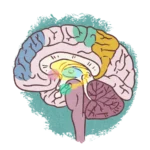
The brain is the organ behind every neurodivergent trait you experience — from how you pay attention to how you process emotion to how you sleep. Neurodivergent brains use the same basic structures and chemical messengers as any brain, but the tuning is different: different dopamine activity in reward circuits, different balance between excitatory and inhibitory signalling, different default mode network behaviour.

Learn more

Related Articles

Make Your Life Neurodivergent-friendly with the Adaptation Explorer Workbook

Neurodivergent brains don't come with universal solutions—what helps one person might not work for you at all. So if you've tried all the ADHD tips online, but nothing seems to stick, you're not alone. Here's how to discover your specific adaptations and create a life that actually works for YOUR brain. Explore your needs, what environments you work best in, what overwhelms you, and what helps you regulate.

communication self-care support
Read article

I Wasn’t ‘Just A Bit Stressed Out’

Exploring the impact of internalised ableism made me re-evaluate my misinterpreted autistic and ADHD traits.

self-care sensory society support
Read article

Previous Post:gut-brain axis

About the Author

  • Livia Farkas

    Livia Farkas is an adult education specialist with a joy-centred approach and a sharp sense for simplifying complex ideas using silly visual metaphors.
    Since 2008, she's written 870+ articles, developed 294 distinct techniques, and co-created 8 online courses with Adam—with 5,302 alumni learning neurodivergent-friendly approaches to time management, goal setting, self-care, and small business management.
    Her life goal is to be a walking permission slip for neurodivergent adults.

    View all posts

Free Resources for Neurodivergent Adults

Get our research-backed, experience-validated strategies & guides for a neurodivergent work & life that you can adapt to what success looks like to you.

Create a free account to get your goodies!

Is the button not working? No worries!
Sometimes ad-blocks stop all pop-ups, even if they are not ads.
This might be the case if nothing happens when you click the button.
Here’s another, non-pop-up way to sign up, please try if this works!

By signing up you allow us to send you Weirdly Successful’s newsletter with practical tips, strategies, and optional training material.
You can unsubscribe any time. Our Privacy Policy makes for a great summer reading!

Weirdly Successful is a 100% neurodivergent-run non-profit, developing strategies & frameworks for neurodivergent adults.

  • E-mail
  • Instagram
  • Mastodon
  • Tumblr
  • Pinterest

DISCLAIMER: All content on this website is for informational purposes only, and does not substitute for medical advice. For medical advice, diagnosis or treatment, consult a medical professional or healthcare provider.

While we strive to represent up-to-date and scientifically accurate information, our authors are not medical professionals unless where specifically noted. All opinions are the authors’ own.

Weirdly Successful’s authors and collaborators are not liable for risks or issues
associated with using or acting upon the information on our site.

All original content Copyright © 2026 · Weirdly Successful · All Rights Reserved.

Privacy Policy