Welcome to the blog!
Read our latest articles on strategies for neurodivergent work & life, myth-busting, experiences and everything you didn’t know you wanted to know. 🙂
Latest Blogposts
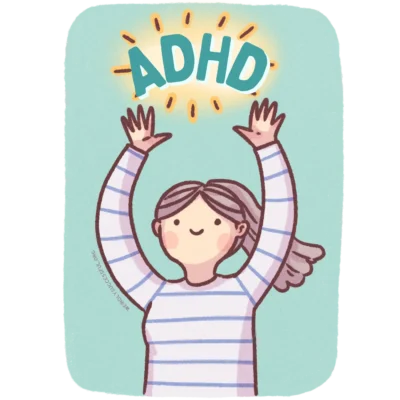
You just got your ADHD diagnosis! Now what?
You’ve got your ADHD diagnosis. Welcome to the club! 🙂 However you’re feeling about it right now, that’s a valid place to be. Relief, grief, numbness, a strange kind of nothing can cycle through in your head in the space of an afternoon.
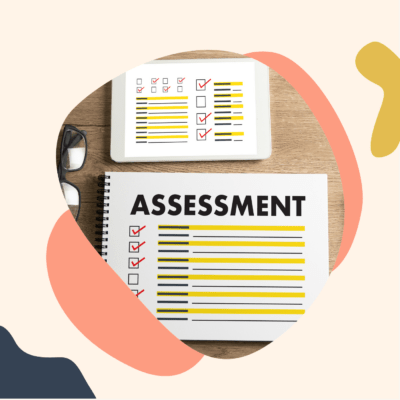
What do the ADHD self-assessment questions really mean?
The ASRS uses neurotypical language for neurodivergent experiences. This guide translates all 18 questions into what they actually mean, with real-life examples and the coping strategies that can mask your answers.
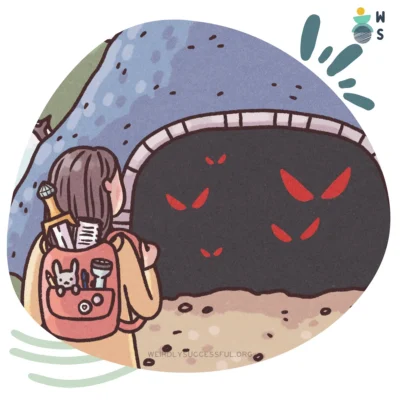
Adult ADHD Post-Referral Toolkit
ADHD post-referral support — because there are already things you can do before you get assessed for a diagnosis.

Make Your Life Neurodivergent-friendly with the Adaptation Explorer Workbook
Neurodivergent brains don’t come with universal solutions—what helps one person might not work for you at all. So if you’ve tried all the ADHD tips online, but nothing seems to stick, you’re not alone. Here’s how to discover your specific adaptations and create a life that actually works for YOUR brain. Explore your needs, what environments you work best in, what overwhelms you, and what helps you regulate.

I Wasn’t ‘Just A Bit Stressed Out’
Exploring the impact of internalised ableism made me re-evaluate my misinterpreted autistic and ADHD traits.
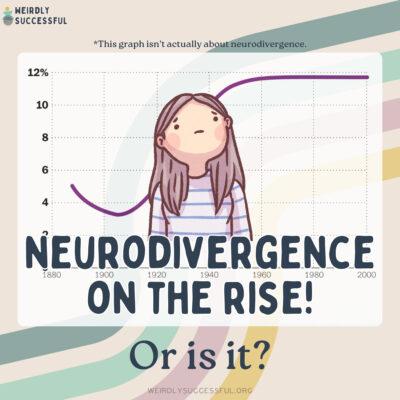
ADHD & Autism on the Rise: Are There More Neurodivergent People Now?
Why it seems there are more neurodivergent people now than before, when in fact we’ve always been here.
Questions & Answers
“Why does coffee make me sleepy when I have ADHD?”
Does coffee calm you down instead of waking you up? ADHD brains can respond to stimulants by settling down.

“Does caffeine help with ADHD?”
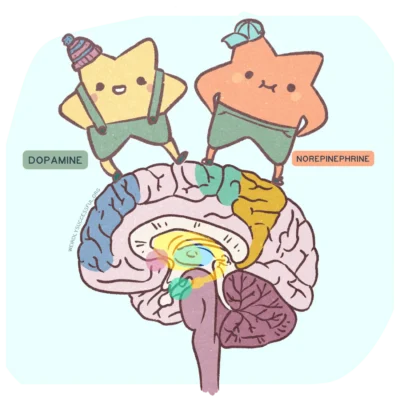
Caffeine acts on the same dopamine pathways as ADHD medication. So it would make sense that coffee can work as a viable stimulant, but research found it helps less than you think, and it can get worse over time.

“Will people judge me if they learn about my ADHD / Autism?”
People can still be mean, and your worries are valid. But research shows they’re already picking up on more than you think — and that disclosure often improves how they respond, not worsens it.

“Do I have to tell people about my diagnosis?”
Your diagnosis is yours. You decide who hears about it and when. This post covers what you’re actually required to share about ADHD or Autism — at work, with the DVLA, with doctors — and what stays entirely with you.
Browse by topic
Join our newsletter, and get research-backed, experience-validated strategies & guides for a neurodivergent work & life that you can adapt to what success looks like to you.
Latest Glossary entries
hypervigilance
Hypervigilance is a state of heightened, sustained alertness where your nervous system stays oriented toward detecting threat, even when no real danger is present. It can feel like being permanently on-edge, bracing for something you can’t name. In neurodivergent adults, hypervigilance often extends beyond physical danger into social monitoring: tracking unspoken rules, reading tone, watching for signs you’ve got it wrong. It is a human response, not a neurodivergent one, but it shows up with particular frequency and particular cost in autistic and ADHD adults.
neuroplasticity
Neuroplasticity is the brain’s capacity to change its own wiring. Neurons form new synaptic connections, strengthen existing ones, and through synaptic pruning remove the ones that don’t get used. This process is most active during childhood and adolescence, but it continues throughout adulthood and old age.

self-medication
Self-medication means using substances — consciously or not — to regulate brain states. Many unidentified or late-identified neurodivergent adults reach for caffeine, alcohol, or nicotine because these act on the same neurochemistry that works differently in their brains.
vagus nerve
The vagus nerve is a bundle of nerve fibres in your body. It runs from the brainstem down through the neck and into the chest and abdomen. It branches out to the heart, lungs, airways, stomach, liver, intestines, and most of the digestive tract. It is the longest cranial nerve in the body.
Roughly 80% of what it carries is sensory information travelling upward. The vagus nerve reports to your brain about what is happening in your organs.
In recent years, the vagus nerve has become a fixture of wellness content. Many techniques, including cold showers, humming, and gargling, are promoted as ways to “stimulate” or “tone” it. Some of this is supported by research, but many of the easy-fix claims are exaggerated. And for neurodivergent people in particular, some of the advice is actively unhelpful.
gut-brain axis
The gut-brain axis is the two-way communication system between your digestive tract and your brain. It runs on nerves, neurotransmitters, immune signals, and microbial chemistry, and it’s a large part of the reason why so many neurodivergent people have persistent stomach problems which are often not even connected to their neurodivergence.