“Is ADHD just about not being able to pay attention?”
Attention is only one possible component of ADHD. We now also understand attention to be variable in ADHD, with a difficulty for the brain to self-regulate attention.


Attention is only one possible component of ADHD. We now also understand attention to be variable in ADHD, with a difficulty for the brain to self-regulate attention.
Object constancy is the notion that you remain connected and aware of items or people even when they are not visible or physically around. Difficulties in object constancy lead to the "out of sight, out of mind" experience, which is very common with ADHD folk. Not to be confused with object permanence, which is a developmental stage in babies, and relates to them believing things genuinely stop existing when not in sight.
Context switching refers to the cognitive process of shifting attention between different tasks or mental states. It involves disengaging from one task and engaging in another, requiring the brain to change its focus, rules, and objectives.
This process can be mentally taxing due to the cognitive load involved in stopping one task and starting another, shifting gears to focus on the new task, and getting accustomed to the new situation with all its stimuli. Frequent context switching and jumping from task to task can lead to a decrease in productivity and efficiency.
Working memory is one of the executive functions. It is our mental scratchpad, where we temporarily hold and play with info to help with tasks like problem-solving and learning. It's key for everyday stuff but has limited space, so juggling too much can be tough, especially for people with ADHD, who have an even more limited space.
Inattentive is one of the ADHD subtypes, also known as the distracted type. Inattentive traits include daydreaming, forgetfulness (not remembering the question while answering, forgetting things at home, following instructions with multiple sub-tasks), and difficulty focusing on a task that’s not engaging enough.
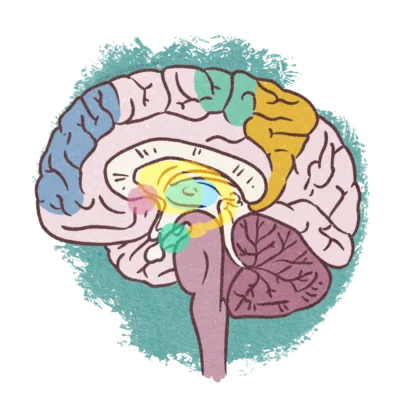
Executive functions are essential, they help us make plans, stay organized, pay attention, and keep our emotions in check. It plays a big role in making decisions and adapting to new situations.
Executive dysfunction can happen when these processes have a difference or impairment that affects everyday life.

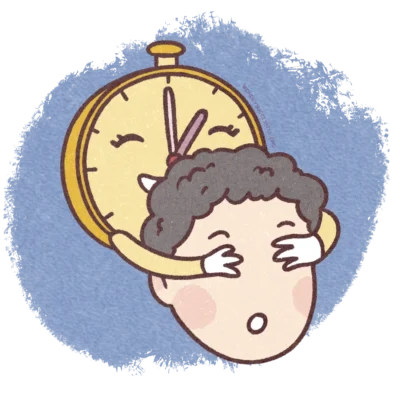
Time blindness is when it's tough to grasp the passing of time. It usually means you under- or overestimate the time a project will take. It makes it tricky to manage schedules, deadlines, and planning. It can lead to procrastination, forgetfulness, and feeling overwhelmed or rushed.

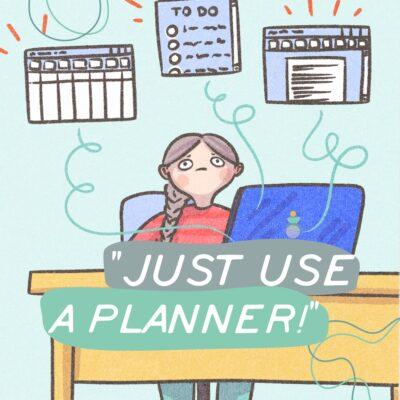
One of the most common pieces of advice for people with ADHD is ‘just use a planner’. I’ve been using planners and notebooks since the age of 10, and as a neurodivergent person, let me tell you one thing: this advice, on its own, is bullsh*t.