“Why do I like pressure on my body?”
If you like pressure on your body — heavy blankets, tight hugs, snug clothes — your nervous system is using a regulation strategy it figured out on its own.

Weirdly Successful
Dedicated to helping you understand, navigate and enjoy your weird & wonderful neurodivergent life.

If you like pressure on your body — heavy blankets, tight hugs, snug clothes — your nervous system is using a regulation strategy it figured out on its own.
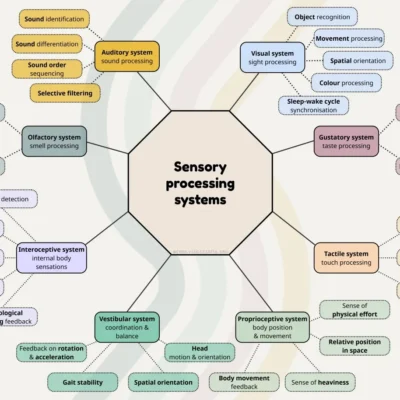
Sensory processing difficulties are a group of traits associated with neurodivergence. They're part of the wider group of sensory processing differences, meaning all the ways neurodivergent brains handle sensory information differently from neurotypical peers. Any of the brain's 8 sensory processing systems can be affected by processing difficulties.
Restriction means being prevented from moving freely or being confined against your will. It can include being held down, trapped, or having your movement controlled by others. This is particularly important for neurodivergent people, who have historically faced harmful practices where restriction was used to stop stimming, force compliance, or 'manage' sensory overload.
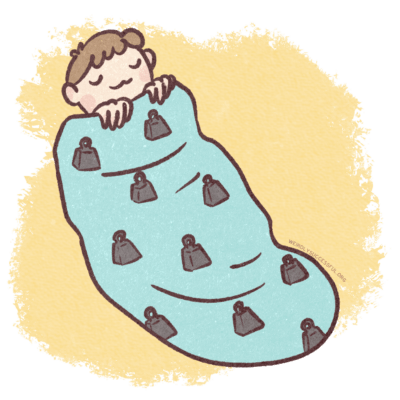
Deep pressure is a natural sensory need where firm, consistent pressure (like heavy blankets or tight hugs) helps tension melt away from your body. Many people naturally seek this through things like snug clothing or curling up under blankets - it's your nervous system's way of finding calm and comfort.
Sensory avoiding, also known as sensory under-responsivity, refers to a pattern of behaviour where individuals actively try to avoid or minimise exposure to sensory stimuli. These individuals may have a heightened sensitivity to sensory input and may find certain sensations overwhelming or discomforting. As a result, they may engage in behaviours such as avoiding crowded …
Sensory-seeking refers to a behavioural pattern or tendency in neurodivergent folks where they actively seek out and engage in sensory experiences or stimuli. People may have a heightened desire for sensory input and actively seek activities or environments that provide intense or stimulating sensations.
Hypersensitivity, also known as sensory over-responsivity, is a condition characterized by an extreme sensitivity or heightened response to sensory stimuli from the environment. Individuals with hypersensitivity may have a seemingly exaggerated reaction to various sensory inputs, such as sound, touch, taste, smell, or visual stimuli. These sensitivities can result in discomfort, distress, or even pain, …
A feeling of immense distress, a sensory overwhelm / autistic overwhelm is a strong reaction to stimuli caused by the compounded effects of stress, exhaustion, lack of safety, a sense of danger, unmet needs, too much information, noise, sights or sounds, smells or touch.
Stimming (self-stimulatory behaviour) tends to be more intense, deliberate, and repetitive. It can include hand flapping, rocking, making repetitive sounds, spinning, examining textures intensely, or listening to the same song on repeat for hours. Stimming is historically associated with autism and serves primarily as emotional and sensory regulation—a way to manage overwhelming feelings, process sensory input, express joy or excitement, or meet a physiological need for specific sensory feedback. Autistic people often describe stimming as a need rather than a choice.