Hypersensitivity, also known as sensory over-responsivity, is a condition characterized by an extreme sensitivity or heightened response to sensory stimuli from the environment. Individuals with hypersensitivity may have a seemingly exaggerated reaction to various sensory inputs, such as sound, touch, taste, smell, or visual stimuli. These sensitivities can result in discomfort, distress, or even pain, making it challenging for individuals to engage in everyday activities. People with SPD may become overwhelmed and easily annoyed or anxious in sensory-rich environments. Not removing yourself from a hyperstimulating situation can lead to sensory overwhelm.
« Back to the index
by

First published: | Last edited: |🕒 Reading Time: < 1 minute | 🔗
Login / Register to save article for later
First published: | Last edited: |🕒 Reading Time: < 1 minute | 🔗
Login / Register to save article for later
If you like pressure on your body — heavy blankets, tight hugs, snug clothes — your nervous system is using a regulation strategy it figured out on its own.
Because your nervous system is doing something smart, so good for you! 🙂 When you rewatch a familiar show, your brain isn't processing anything new — no plot twists to manage, no unfamiliar characters to track, no sudden shifts in tone to adjust to.
Nothing! Neurodivergent brains need more time to process, decompress, and recharge.
Sensory avoiding, also known as sensory under-responsivity, refers to a pattern of behaviour where individuals actively try to avoid or minimise exposure to sensory...
A feeling of immense distress, a sensory overwhelm / autistic overwhelm is a strong reaction to stimuli caused by the compounded effects of stress, exhaustion, lack of safety, a sense of danger, unmet needs, too much information, noise, sights or sounds, smells or touch.
Stimming (self-stimulatory behaviour) tends to be more intense, deliberate, and repetitive. It can include hand flapping, rocking, making repetitive sounds, spinning, examining textures intensely, or listening to the same song on repeat for hours. Stimming is historically associated with autism and serves primarily as emotional and sensory regulation—a way to manage overwhelming feelings, process sensory input, express joy or excitement, or meet a physiological need for specific sensory feedback. Autistic people often describe stimming as a need rather than a choice.
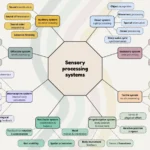
Sensory processing difficulties are a group of traits associated with neurodivergence. They're part of the wider group of sensory processing differences, meaning all the ways neurodivergent brains handle sensory information differently from neurotypical peers. Any of the brain's 8 sensory processing systems can be affected by processing difficulties.
Related Questions
“Why do I like pressure on my body?”
“Why do I watch the same show over and over?”
“Classic “self-care” activities don’t work for me. What am I doing wrong?”
Related Glossary Terms
sensory avoiding
sensory overwhelm
stimming
Sensory processing difficulties
Related Articles