• Skip to main content
  • Skip to header right navigation
  • Skip to site footer
Weirdly Successful

Weirdly Successful

Dedicated to helping you understand, navigate and enjoy your weird & wonderful neurodivergent life.

  • About Us
    • The team
    • The mission
    • What we do
    • Events
  • Learn
    • Understanding Neurodivergence
    • Diagnosis & Assessment
    • Productivity & Planning
    • Sensory & Body
    • Emotions & Regulation
    • Health & Wellbeing
    • Work & Career
  • Free Resources
    • Latest Articles
    • Neurodivergent Glossary
      • My Glossary
    • Questions & Answers
    • Resource Library
  • Contact Us
    • Send a message
    • Book a Curiosity Call
  • LOGIN

sensory seeking

eating hearing movement self-regulation sensory touch
by
Weirdly Successful
Weirdly Successful (author)  

First published: 28 June, 2023 | Last edited: 30 April, 2026 |🕒 Reading Time: < 1 minute | 🔗
Login / Register to save article for later

Sensory seeking refers to a behavioural pattern or tendency in neurodivergent folks where they actively seek out and engage in sensory experiences or stimuli. People may have a heightened desire for sensory input and actively seek activities or environments that provide intense or stimulating sensations.

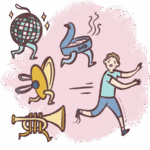
They may exhibit stimming behaviours such as seeking out tactile stimulation, rocking or spinning, jumping and rolling, seeking out loud sounds, or engaging in repetitive movements or stims. They might like being tickled or scratched, might enjoy playfighting or playing group sports, or going to concerts and crowded, stimulating environments.

This sensory-seeking behaviour can be a way for individuals to regulate their sensory processing or to fulfil their sensory needs.

Many sensory-seeking behaviours are also forms of restricted repetitive behaviours — the repetition is the point, because the nervous system needs that specific input delivered reliably and often enough to do its regulatory work.

Sensory seeking can vary in intensity and focus across individuals and can be present in conditions such as Sensory Processing Disorder, autism, or ADHD. 

Related terms

hyperactivity

Hyperactive Type is one of the ADHD subtypes. Hyperactivity can present in physical and mental symptoms. Hyperactive traits include fidgeting and other sensory-seeking behaviours, interrupting others when they talk or finishing their sentences for them, impulsive actions and …

Read morehyperactivity

stimming

Stimming (self-stimulatory behaviour) tends to be more intense, deliberate, and repetitive. It can include hand flapping, rocking, making repetitive sounds, spinning, examining textures intensely, or listening to the same song on repeat for hours. Stimming is historically …

Read morestimming

hyposensitivity

Hyposensitivity, also known as sensory underresponsivity, is a condition characterized by a reduced sensitivity or diminished response to sensory stimuli from the environment.

Individuals with hyposensitivity may have difficulty with detecting or processing sensory inputs, such …


Read morehyposensitivity
This term is also known as:
sensory craving
« Back to the index

Related Questions

“Why do I like pressure on my body?”

If you like pressure on your body — heavy blankets, tight hugs, snug clothes — your nervous system is using a regulation strategy it figured out on its own.

Explore answer

“Why do I watch the same show over and over?”

Because your nervous system is doing something smart, so good for you! 🙂 When you rewatch a familiar show, your brain isn't processing anything new — no plot twists to manage, no unfamiliar characters to track, no sudden shifts in tone to adjust to.

coping strategies energy self-care
Explore answer

“Is fidgeting and stimming the same thing?”

Fidgeting is similar to stimming, but they serve different purposes. While stimming tends to function as emotional regulation (a way to manage overwhelming feelings or sensory input), fidgeting more often serves focus regulation and energy discharge. The movements might look the same from the outside, but the internal experience and function can be quite different.

energy
Explore answer

Related Glossary Terms

stimming

Stimming (self-stimulatory behaviour) tends to be more intense, deliberate, and repetitive. It can include hand flapping, rocking, making repetitive sounds, spinning, examining textures intensely, or listening to the same song on repeat for hours. Stimming is historically associated with autism and serves primarily as emotional and sensory regulation—a way to manage overwhelming feelings, process sensory input, express joy or excitement, or meet a physiological need for specific sensory feedback. Autistic people often describe stimming as a need rather than a choice.

focus self-care sound vision
Learn more

Sensory processing difficulties

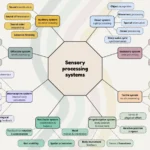
Sensory processing difficulties are a group of traits associated with neurodivergence. They're part of the wider group of sensory processing differences, meaning all the ways neurodivergent brains handle sensory information differently from neurotypical peers. Any of the brain's 8 sensory processing systems can be affected by processing difficulties.

pain vision
Learn more

sensory avoiding

Sensory avoiding, also known as sensory under-responsivity, refers to a pattern of behaviour where individuals actively try to avoid or minimise exposure to sensory...

pain sound
Learn more

deep pressure

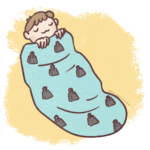
Deep pressure is a natural sensory need where firm, consistent pressure (like heavy blankets or tight hugs) helps tension melt away from your body. Many people naturally seek this through things like snug clothing or curling up under blankets - it's your nervous system's way of finding calm and comfort.

self-care support
Learn more

Related Articles

How To Make Your Life Neurodivergent-friendly

You've tried all the ADHD tips online, but nothing seems to stick. That's because neurodivergent brains don't come with universal solutions—what helps one person might not work for you at all. Here's how to discover your specific adaptations and create a life that actually works for YOUR brain. Explore your needs, what environments you work best in, what overwhelms you, and what helps you regulate.

communication self-care support
Read article

I Wasn’t ‘Just A Bit Stressed Out’

Exploring the impact of internalised ableism made me re-evaluate my misinterpreted autistic and ADHD traits.

self-care society support
Read article

Previous Post:stimulus
Next Post:sensory avoiding

About the Author

  • Weirdly Successful

    Weirdly Successful

    A 100% neurodivergent team — Adam Dobay, Livia Farkas and Nora Selmeczi — bringing together lived experience, adult education expertise, clinical training and NHS co-production to create friendly, science-backed resources that help neurodivergent adults figure out what actually works for them

    View all posts

Free Resources for Neurodivergent Adults

Get our research-backed, experience-validated strategies & guides for a neurodivergent work & life that you can adapt to what success looks like to you.

Create a free account to get your goodies!

Is the button not working? No worries!
Sometimes ad-blocks stop all pop-ups, even if they are not ads.
This might be the case if nothing happens when you click the button.
Here’s another, non-pop-up way to sign up, please try if this works!

By signing up you allow us to send you Weirdly Successful’s newsletter with practical tips, strategies, and optional training material.
You can unsubscribe any time. Our Privacy Policy makes for a great summer reading!

Weirdly Successful is a 100% neurodivergent-run non-profit, developing strategies & frameworks for neurodivergent adults.

  • E-mail
  • Instagram
  • Mastodon
  • Tumblr
  • Pinterest

DISCLAIMER: All content on this website is for informational purposes only, and does not substitute for medical advice. For medical advice, diagnosis or treatment, consult a medical professional or healthcare provider.

While we strive to represent up-to-date and scientifically accurate information, our authors are not medical professionals unless where specifically noted. All opinions are the authors’ own.

Weirdly Successful’s authors and collaborators are not liable for risks or issues
associated with using or acting upon the information on our site.

All original content Copyright © 2026 · Weirdly Successful · All Rights Reserved.

Privacy Policy