


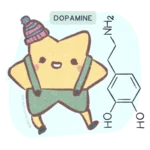
Stimulant medications are the most commonly prescribed pharmacological treatment for ADHD.1 They work by increasing the availability of dopamine and norepinephrine in the brain.2
Stimulant medication has been in clinical use for over 80 years.3 At prescribed therapeutic doses, it is effective for most adults who take it, and long-term follow-up studies report side effects as generally mild and manageable.910
DISCLAIMER We have taken all reasonable steps to ensure that the information presented in this article is up to date and scientifically valid. We are not medical professionals, and this is not medical advice. Rules and regulations vary by country. Our information follows UK laws, rules and guidelines. Before making any decision about any medication, consult your healthcare professional.
In the UK, two stimulant medications are recommended as first-line treatment for adults with ADHD: lisdexamfetamine (brand name Elvanse) and methylphenidate (brand names include Concerta and Ritalin).1 They belong to different chemical families and work through different mechanisms, but both increase dopamine and norepinephrine availability in the areas of the brain involved in focus, impulse control, and planning.2
Table of Contents[Hide][Show]
How long have stimulant medications been used?
Stimulant medication has a longer clinical history than most people realise. Amphetamine was first used medically in the 1930s as a treatment for narcolepsy, a condition involving sudden episodes of sleep.3 During the same decade, researchers noticed that amphetamine had a calming effect on hyperactive children, leading to its use in what we now recognise as ADHD.4
Close to a century of clinical use means these medications have been observed, studied, and refined across multiple generations of patients. Early formulations were broad-acting and loosely regulated. Modern stimulant medications are tightly controlled and supported by a large body of research on both effectiveness and safety.310 They are available in extended-release formulations designed to deliver steady, predictable effects throughout the day.3
What types of stimulant medication are there?
Lisdexamfetamine and methylphenidate work through different mechanisms, which is partly why one may suit a person better than the other.
Lisdexamfetamine (brand name Elvanse, Vyvanse) is a prodrug. The body converts it into its active form, d-amphetamine, through enzymes in the bloodstream.5 The conversion is gradual, producing a smooth, sustained release of the active compound over roughly 12 hours.5 Once active, it increases dopamine and norepinephrine levels through several pathways, including blocking their reuptake and promoting their release.2
Methylphenidate (brand names include Concerta and Ritalin) works primarily as a so-called reuptake inhibitor. It blocks the transporters that normally clear dopamine and norepinephrine from the gaps between neurons, allowing them to stay active for longer.2
The effect profile depends on the formulation: some versions are immediate-release, while others are designed for extended release throughout the day.
Amphetamine is not methamphetamine
The word “amphetamine” in your medication name can sound alarming, especially if your main reference point is Breaking Bad.
Amphetamine and methamphetamine are different compounds. Methamphetamine has a different chemical structure that makes it far more potent and faster-acting.
Prescribed ADHD medication uses pharmaceutical-grade amphetamine (in lisdexamfetamine and dexamfetamine) or methylphenidate, at carefully controlled therapeutic doses.
They do have similar-sounding names, but they are very different substances.
Lisdexamfetamine and methylphenidate are both recommended first-line treatment options for adults in the NICE Guidelines.1
A third stimulant option, dexamfetamine (Amfexa, Celexa), is available for adults who respond to lisdexamfetamine but find the long duration difficult to manage, or as a short-acting top-up in combination with other medications.1
What is the difference between long-acting and short-acting stimulants?
Stimulant medications come in two broad formats: long-acting (extended-release or modified-release) and short-acting (immediate-release).
Long-acting formulations are designed to be taken once a day and release the medication gradually throughout the day. Short-acting formulations work for a few hours at a time and are typically taken two or three times daily. Research shows no significant difference in effectiveness between the two formats.6
The main differences are practical. NICE guidelines recommend long-acting formulations as the default for most adults, for several reasons:
- Once-daily dosing is simpler to manage;
- There is no need to take medication during the working day (which reduces stigma),
- and the extended-release design reduces the risk of misuse.1
Short-acting formulations still have a role. Some people use them during initial titration, when flexible dosing helps identify the right level. Others add a short-acting dose in the afternoon to extend the coverage of a morning long-acting dose, particularly when ADHD traits affect their evenings, rest, and sleep, as well as their working hours.1
Titration: how to find the right medication and dose
Titration is the process of finding the right stimulant medication and the right dose for your brain. People respond differently to different compounds, and the effective dose varies from person to person, so the process is guided by your symptoms and your side effects.78
The typical approach is to start at a low dose and increase it gradually.18 At each step, you and your prescriber assess whether you feel like your ADHD traits are handled better, and whether any side effects are manageable. The goal is dose optimisation: the point where you experience reduced symptoms, positive changes in daily functioning, and tolerable side effects.1 If a dose increase produces side effects that feel too strong, stepping back down to the previous dose will usually resolve them within a day or two.5
If the first compound you try does not work well, the next step is usually to try the other first-line option. NICE guidelines recommend a six-week trial at an adequate dose before switching.1 If neither lisdexamfetamine nor methylphenidate provides a good fit, non-stimulant alternatives are available (see below).
Stimulant medication clears the body relatively quickly. Lisdexamfetamine has a half-life of around 8 to 9 hours, and methylphenidate’s is shorter still.5
Common side effects during titration include reduced appetite, dry mouth, difficulty sleeping, and a slight increase in heart rate.9 In long-term follow-up studies, adults who continued on medication described these effects as mild and manageable.9
Titration is not a one-time event. If your needs change, or if a dose that previously worked well starts to feel less effective, you can revisit the process.12 If you have co-occurring conditions such as autism, anxiety, or a tic disorder, your prescriber may titrate more slowly and monitor more frequently.1
Is ADHD medication addictive?
You may have heard stimulant medication described as addictive. At prescribed therapeutic doses, the risk of addiction is low. In fact, research has consistently found that stimulants have a long-term protective effect on substance abuse.
In one study, the risk was 31% lower among ADHDers on medication than in the unmedicated cohort. 14 Another study found that stimulant treatments “reduce the risk for substance use disorders by 50%, thus reducing the risk for substance use disorders in ADHD youth to levels well within the normal population risk.“15
The more common reality for most adults with ADHD is the opposite problem: forgetting to take it, even with elaborate reminder systems, labelled pill boxes, and multiple phone alarms set up specifically to prevent that from happening.
True tolerance to the therapeutic effects of stimulant medication — where the medication gradually stops working at a previously effective dose — appears to be uncommon. A 2026 systematic review found little or no evidence of tolerance to therapeutic effects in real-world ADHD treatment.11 When medication seems less effective over time, the cause is more often a change in life circumstances, stress levels, sleep, or a co-occurring condition, rather than the medication itself losing its effect.12 A review with your prescriber can help sort out what has shifted.
After titration is complete and your dose is stable, ongoing prescribing and monitoring typically move to your GP under a shared care arrangement with the specialist who managed your titration.1
“What if I can’t tolerate stimulants?”
If stimulant medications are not well tolerated or if neither lisdexamfetamine nor methylphenidate provides adequate symptom relief after proper trials, non-stimulant medications are available as second-line treatment.113
Atomoxetine is the most established non-stimulant option for adults with ADHD. It works through a different mechanism than stimulants, primarily by blocking norepinephrine reuptake, and has been shown to be effective in multiple clinical trials.13 It is typically the first non-stimulant a prescriber will consider.
Guanfacine is a second non-stimulant option. It is effective in adults, but the evidence base is more limited. In the UK, prescribing guanfacine for adults requires a referral to a specialist tertiary ADHD service.1 It may be considered when both stimulants and atomoxetine are unsuitable.
If stimulants turn out not to be the right fit, these alternatives provide further evidence-based options to explore with your prescriber.13
« Back to the index




 The neurodivergent brain