
• Skip to main content
  • Skip to header right navigation
  • Skip to site footer
Weirdly Successful

Weirdly Successful

Dedicated to helping you understand, navigate and enjoy your weird & wonderful neurodivergent life.

  • About Us
    • The team
    • The mission
    • What we do
    • Events
  • Learn
    • Understanding Neurodivergence
    • Diagnosis & Assessment
    • Productivity & Planning
    • Sensory & Body
    • Emotions & Regulation
    • Health & Wellbeing
    • Work & Career
  • Free Resources
    • Latest Articles
    • Neurodivergent Glossary
    • Questions & Answers
    • Resource Library
  • Contact Us
    • Send a message
    • Book a Curiosity Call

stress

intolerance of uncertainty

communication self-regulation stress support

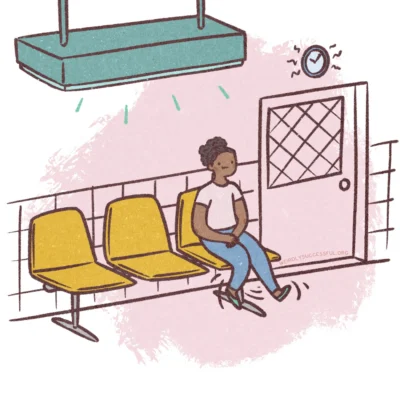
Intolerance of uncertainty (IU) describes the degree to which a nervous system needs predictability in order to function — not as a preference, but as a genuine operational requirement. When outcomes are unknown or plans unconfirmed, a high-IU nervous system tends to generate contingencies: running through variables, gathering information in advance, and finding it difficult to settle until enough is known. For many autistic and ADHD adults, IU runs at a higher baseline than in the general population, and shows up in everyday experiences like needing to know the plan before you can be present, finding plan changes disproportionately disruptive, or preparing carefully for situations in order to free up bandwidth to actually enjoy them. It's not about rigidity or control — it's a nervous system requesting the information it needs to work properly.

Read moreintolerance of uncertainty

restricted repetitive behaviours (RRBs)

joy self-regulation sensory stress

Restricted Repetitive Behaviours (RRBs) is the clinical term for a broad group of autistic traits including stimming, echolalia, routines, persistent interests, and sensory sensitivities. Despite the pathologising name, these patterns serve real purposes — self-regulation, cognitive energy conservation, and genuine enjoyment. They are how an autistic nervous system manages a world that doesn't come with enough predictability built in.

Read morerestricted repetitive behaviours (RRBs)

Rejection Sensitivity Dysphoria (RSD)

communication pain self-regulation stress

Rejection Sensitivity Dysphoria (RSD) is an intense emotional and physical response to perceived rejection, criticism, or the fear of falling short — experienced by many neurodivergent people. The hot flash of shame, the spiral of "what did I do wrong," the doomsday scenarios building while the other person is simply answering their front door — these are recognisable experiences for many people who grew up having their authentic selves ignored, dismissed, or misunderstood. RSD is a pattern recognition system shaped by real history, and having language for it means you can begin to watch the reaction rather than be yanked along by it.

Read moreRejection Sensitivity Dysphoria (RSD)

What’s actually happening when I go into verbal shutdown?

communication language speech stress

A verbal shutdown might appear to be “nothing” from the outside, but actually, a lot is going on beneath the surface. Language, speech, even just on the technical side, are very complicated, even before you start adding the social layers on top of it (word choices, cadence, implications of tone of voice, non-verbal communication aspects). …

Read moreWhat’s actually happening when I go into verbal shutdown?

transitions

energy sensory stress

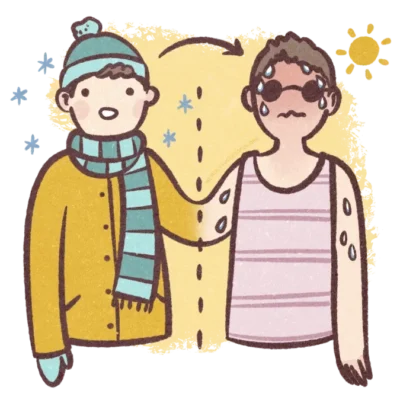
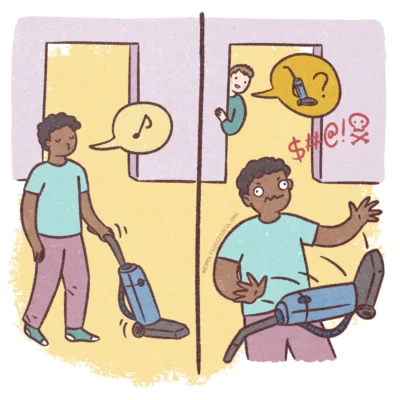
Transitioning, in the context of neurodiversity, refers to the process of moving from one state, activity, or place to another. It involves a shift in attention, focus, and cognitive resources.

For neurodivergent individuals, it may require additional time, support, and strategies to manage effectively.

Transitioning can encompass a wide range of changes, from minor daily shifts like moving from one task to another, to major life changes such as transitioning from school to work or from living at home to independent living.

Read moretransitions

ADHD paralysis

focus pain stress time

ADHD paralysis is a form of executive dysfunction.

It refers to the difficulty in initiating, continuing, or completing tasks, even when the person understands the urgency and importance, and also has the ability to do the task. ADHD paralysis can be triggered by various factors, including overwhelm, anxiety, or the perceived complexity of a task.

Read moreADHD paralysis

demand avoidance

communication energy focus motivation stress

Demand avoidance means appearing opposed to doing something when it's perceived as a demand, especially from an authority figure - even if you actually want to do the thing. While it may look like defiance or stubbornness to others, it's actually an involuntary self-preservation response triggered by threats to autonomy. This response happens automatically, not as a conscious decision to be difficult.

Read moredemand avoidance

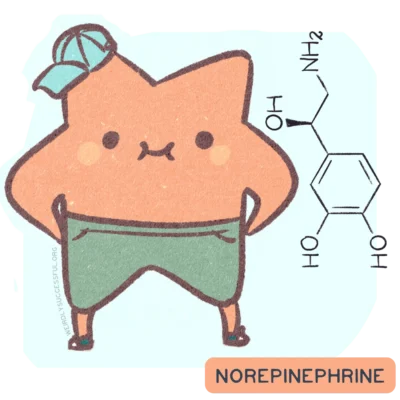
norepinephrine

neurobiology neurotransmitter stress

Also known as noradrenaline – a neurotransmitter involved in alertness, attention, and response to stress.

Read morenorepinephrine

emotional dysregulation

communication emotions self-care self-regulation stress

Emotional dysregulation is the inability to regulate the intensity and quality of emotions in order to generate an appropriate emotional response and return to an emotional baseline.

When someone has difficulty regulating their emotions, they are easily overstimulated and they can get upset or overwhelmed easily. On the other hand, they can also have trouble with calming down, relaxing, or decompressing and it takes much effort to regulate their mood.

From the outside, it might look like overreacting. From the inside, it feels like your nervous system is overwhelmed by emotional information your brain is struggling to process and modulate.

Read moreemotional dysregulation

rumination

stress thoughts

Ruminations are thought loops that you seemingly can’t get out of. Examples: thinking about what you should’ve said 5 years ago, feeling anxious if they misunderstood you, or worrying about whether you should’ve behaved differently, did they judge you, whether you were in the wrong, etc. Can be present in both OCD or ADHD. Rumination …

Read morerumination

Free Resources for Neurodivergent Adults

Get our research-backed, experience-validated strategies & guides for a neurodivergent work & life that you can adapt to what success looks like to you.

Create a free account to get your goodies!

Is the button not working? No worries!
Sometimes ad-blocks stop all pop-ups, even if they are not ads.
This might be the case if nothing happens when you click the button.
Here’s another, non-pop-up way to sign up, please try if this works!

By signing up you allow us to send you Weirdly Successful’s newsletter with practical tips, strategies, and optional training material.
You can unsubscribe any time. Our Privacy Policy makes for a great summer reading!

Weirdly Successful is a 100% neurodivergent-run non-profit, developing strategies & frameworks for neurodivergent adults.

  • E-mail
  • Instagram
  • Mastodon
  • Tumblr
  • Pinterest

DISCLAIMER: All content on this website is for informational purposes only, and does not substitute for medical advice. For medical advice, diagnosis or treatment, consult a medical professional or healthcare provider.

While we strive to represent up-to-date and scientifically accurate information, our authors are not medical professionals unless where specifically noted. All opinions are the authors’ own.

Weirdly Successful’s authors and collaborators are not liable for risks or issues
associated with using or acting upon the information on our site.

All original content Copyright © 2026 · Weirdly Successful · All Rights Reserved.

Privacy Policy