Serotonin is a neurotransmitter that helps regulate mood, sleep, and appetite, keeping us balanced.
« Back to the index
by

First published: | Last edited: |🕒 Reading Time: < 1 minute | 🔗
Login / Register to save article for later
First published: | Last edited: |🕒 Reading Time: < 1 minute | 🔗
Login / Register to save article for later
Yes, and no. Whether supplements can help with your ADHD depends on where the support need is for you when it comes to your dopamine system.
Norepinephrine (also called noradrenaline) is a neurotransmitter produced by the locus coeruleus in the brainstem. It regulates alertness, attention, arousal, and the stress response, and works alongside dopamine in the prefrontal cortex to support executive function. Your prefrontal cortex needs norepinephrine in an optimal range — too little, and you can't sustain focus, too much, and the brain shifts to reactive, survival-oriented processing. In ADHD, norepinephrine signalling is dysregulated, contributing to difficulties with sustained attention, emotional regulation, and the stress response.
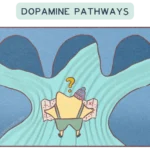
The dopamine system is the network of neurons, pathways, and chemical machinery that produces, delivers, uses, and recycles dopamine throughout the brain. It's one of the most-discussed systems in ADHD, and with good reason — differences in how this system works are closely linked to difficulties with motivation, attention, reward, and the ability to sustain effort on tasks that aren't immediately interesting.
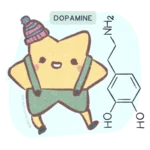
Dopamine is a neurotransmitter involved in many different functions, including movement, motivation, reward, and pleasure. It is one of the most important neurotransmitters you have to get to know if you want to understand ADHD better.
Hypervigilance is a state of heightened, sustained alertness where your nervous system stays oriented toward detecting threat, even when no real danger is present. It can feel like being permanently on-edge, bracing for something you can't name. In neurodivergent adults, hypervigilance often extends beyond physical danger into social monitoring: tracking unspoken rules, reading tone, watching for signs you've got it wrong. It is a human response, not a neurodivergent one, but it shows up with particular frequency and particular cost in autistic and ADHD adults.
Related Questions
“Can supplements help with ADHD?”
Related Glossary Terms
norepinephrine
dopamine system
dopamine
hypervigilance