


No, it is not, quite the opposite, actually.
The idea that ADHD is overdiagnosed is one of the most persistent claims in the UK media. More people are being diagnosed now than ever before, and to some, that looks suspicious.
More people are diagnosed because more people are recognised
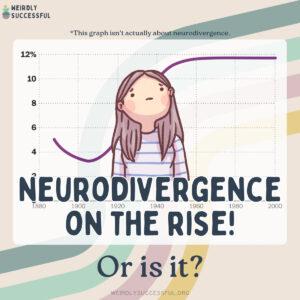
But a rise in diagnoses does not automatically mean overdiagnosis: it can also mean the system is catching up. We have seen this before. In the late 1800s, recorded left-handedness in Western countries dropped to around 3%1. Children were forced to switch hands at school, and the trait was treated as something to correct. When that pressure eased across the 20th century, left-handedness climbed back to its baseline of roughly 10%, where archaeological evidence suggests it had been for tens of thousands of years. Nobody was “becoming” left-handed, but fewer people were being forced to hide it.
ADHD is following a similar curve.
The rise in diagnoses correlates with
- better diagnostic criteria,
- destigmatisation,
- rising awareness,
- and several generations of previously overlooked people getting a late diagnosis
at the same time.
Community prevalence in children sits at 5–7% across global meta-analyses2, but the number who actually have a diagnosis is far lower: registry data shows roughly 1–2%3. In one Japanese birth cohort, 83.5% of 12-year-olds with persistent ADHD symptoms had never been diagnosed4. Women receive their first ADHD diagnosis on average four years later than men5. In the UK, an estimated 131,000 people are waiting for an NHS ADHD assessment, with some adults waiting over ten years6.
Where diagnostic quality is poor, mistakes can happen in both directions. Brief checklists and self-reports alone, without proper differential diagnosis, are the only conditions where overdiagnosis shows up in the research7. But a 2026 review in the British Journal of Psychiatry found no evidence of overdiagnosis in the UK, concluding that the data points to underdiagnosis and inadequate service capacity8.
If ADHD were truly overdiagnosed, the waiting lists would not look like this. The rise in diagnoses tracks the same pattern as left-handedness a century ago: a baseline trait that was suppressed and overlooked for generations is finally being allowed to surface, so no wonder if it seems more prevalent.
« Back to the index




 “Isn’t everyone ‘a little bit’ ADHD?”