high-masking
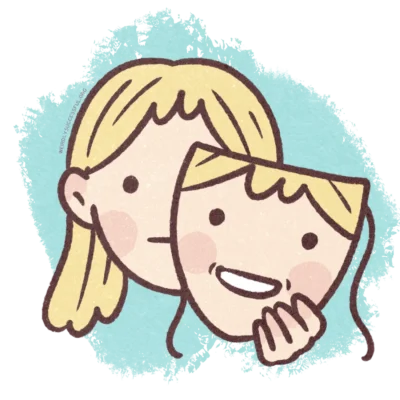
High-masking refers to a person who is able to mask so efficiently that they ‘pass’ as neurotypical. High-masking is often one of the reasons women go undiagnosed …

Weirdly Successful
Dedicated to helping you understand, navigate and enjoy your weird & wonderful neurodivergent life.
High-masking refers to a person who is able to mask so efficiently that they ‘pass’ as neurotypical. High-masking is often one of the reasons women go undiagnosed …
Masking is a partly unconscious effort to hide or suppress the manifestations of your neurodivergence. It is an exhausting process that many of us do to "fit in" more. Many people …
The term allistic refers to people who are not autistic. Neurodivergent and neurotypical people can both be allistic if they are not autistic.
'Neurotypical' describes people whose brain functioning follows common patterns, making it easier for them to align with common expectations in areas like processing sensory …
Stimming (self-stimulatory behaviour) tends to be more intense, deliberate, and repetitive. It can include hand flapping, rocking, making repetitive sounds, spinning, examining …
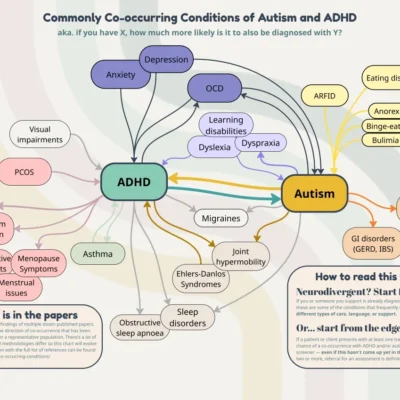
Co-occurrence means that certain neurodivergent traits and conditions naturally tend to appear together. When you're neurodivergent in one way, you're more likely to experience …
Ableism is discrimination and social prejudice against people with physical or mental disabilities. In an ableist society, it’s assumed that the “normal” way to live is as a …
Apps, productivity systems, quizzes for ADHD types, supplements, oh my! Not everything labelled with ADHD is actually good for ADHD.
In this article, we'll show you how to tell if …
Talking about neurodivergence is not as clear-cut as it seems. The history of the treatment and acceptance of neurodivergent conditions is long and not without stigma and harm. …
Like what you see? Join our newsletter and we’ll let you know when we release more resources