stimulant medication
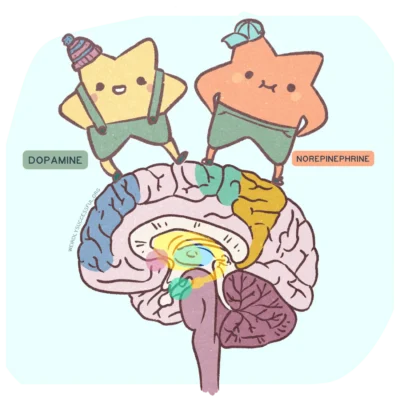
Stimulant medications are the most commonly prescribed pharmacological treatment for ADHD. They work by increasing the availability of dopamine and norepinephrine in the brain, and …

Weirdly Successful
Dedicated to helping you understand, navigate and enjoy your weird & wonderful neurodivergent life.
Stimulant medications are the most commonly prescribed pharmacological treatment for ADHD. They work by increasing the availability of dopamine and norepinephrine in the brain, and …
You've got your ADHD diagnosis. Welcome to the club! :) However you're feeling about it right now, that's a valid place to be. Relief, grief, numbness, a strange kind of nothing …
No, ADHD is not overdiagnosed. More people are recognised because of better diagnostic criteria, destigmatisation and awareness.
The ASRS uses neurotypical language for neurodivergent experiences. This guide translates all 18 questions into what they actually mean, with real-life examples and the coping …
ADHD post-referral support -- because there are already things you can do before you get assessed for a diagnosis.
You won't lose yourself - in fact, most people find the opposite happens. As you gain clarity and self-compassion, drop the shame around your struggles, and learn to unmask more, …
If you're worried about this, you're already not that person. Asking for accommodations (like quiet spaces, reminders, breaks) is self-care and self-advocacy. The difference …
Whether you like it or not, you already have labels — lazy, scatterbrain, weird, messy — given to you by others. You have probably internalised many of them over the decades, too. …
You’ve developed coping strategies and made it work so far. Hooray! But what’s working today might not work tomorrow — especially when life throws big changes at you like hormonal …
Good news: a neurodivergent diagnosis isn't about fixing you, because you're not broken. What it actually does is give you a framework to understand how your brain works and what …
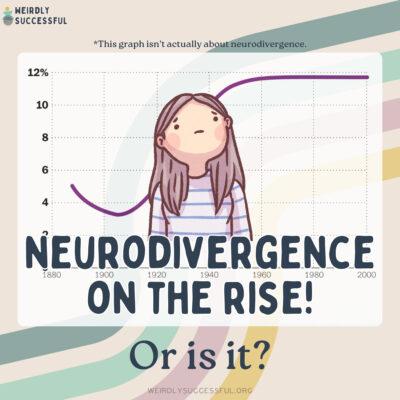
Why it seems there are more neurodivergent people now than before, when in fact we've always been here.
Diagnostic criteria are prerequisites for a diagnosis: in the case of neurodivergence, they are the presentations and traits an assessor is looking for when diagnosing a person …
Titration is when together with your medical professional you trial different types of medications and the doctor then adjusts the dose based on your experience.
Like what you see? Join our newsletter and we’ll let you know when we release more resources