justice sensitivity
Justice sensitivity is the heightened awareness of rule violations and inconsistencies, paired with an intense emotional and physiological response. For many neurodivergent people, …

Weirdly Successful
Dedicated to helping you understand, navigate and enjoy your weird & wonderful neurodivergent life.
Emotional regulation, identity, self-image, burnout
Justice sensitivity is the heightened awareness of rule violations and inconsistencies, paired with an intense emotional and physiological response. For many neurodivergent people, …
A verbal shutdown might appear to be “nothing” from the outside, but actually, a lot is going on beneath the surface. Language, speech, even just on the technical side, …
Auditory stimming is a natural self-regulatory behavior that involves making sounds with your voice, either through non-word vocalizations (vocal stimming) or speech-based …
Internalised ableism is a psychological construct that refers to the internalisation of negative beliefs, stereotypes, and prejudices about disabilities that are prevalent in …
Decompressing refers to engaging in activities or behaviours that allow a person to relax, unwind, and alleviate stress or sensory overload.
This term is particularly significant …
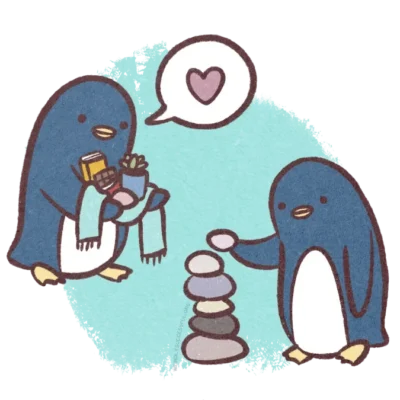
In a neurodivergent context, the expression is used to describe a common neurodivergent behaviour of people collecting and giving loved items to others - "this made me think of …
Alexithymia is the inability to assign names to feelings, describe them to others or talk about them. It is considered a separate neuropsychological condition but has significant …
Emotional dysregulation refers to difficulty in effectively managing and controlling one's emotions. It is characterized by intense, unpredictable, or seemingly disproportionate …
Stimming (also known as self-stimulating) is a common sensory-seeking neurodivergent behaviour. It means stimulating yourself in a repetitive manner to self-soothe, regulate, or …
Like what you see? Join our newsletter and we’ll let you know when we release more resources