

• Skip to main content
  • Skip to header right navigation
  • Skip to site footer
Weirdly Successful

Weirdly Successful

Dedicated to helping you understand, navigate and enjoy your weird & wonderful neurodivergent life.

  • About Us
    • The team
    • The mission
    • What we do
    • Events
  • Learn
    • Understanding Neurodivergence
    • Diagnosis & Assessment
    • Productivity & Planning
    • Sensory & Body
    • Emotions & Regulation
    • Health & Wellbeing
    • Work & Career
  • Free Resources
    • Latest Articles
    • Neurodivergent Glossary
    • Resource Library
  • Contact Us
    • Send a message
    • Book a Curiosity Call

Weirdly Successful

Content type: Glossary Entry📖Glossary Entry

hyposensitivity

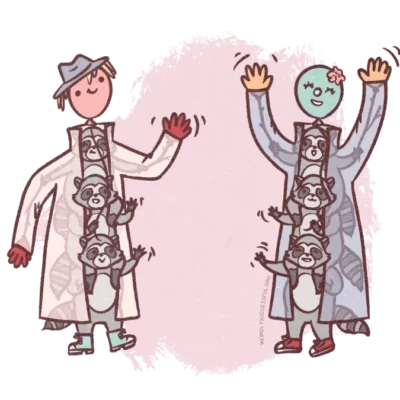
Hyposensitivity, also known as sensory underresponsivity, is a condition characterized by a reduced sensitivity or diminished response to sensory stimuli from the environment.

Individuals with hyposensitivity may have difficulty with detecting or processing sensory inputs, such as sound, touch, taste, smell, or visual stimuli. They may require more intense or prolonged sensory stimulation to …
Read morehyposensitivity
Content type: Glossary Entry📖Glossary Entry

hypersensitivity

Hypersensitivity, also known as sensory over-responsivity, is a condition characterized by an extreme sensitivity or heightened response to sensory stimuli from the environment. Individuals with hypersensitivity may have a seemingly exaggerated reaction to various sensory inputs, such as sound, touch, taste, smell, or visual stimuli. These sensitivities can result in discomfort, distress, or even …

Read morehypersensitivity
Content type: Glossary Entry📖Glossary Entry

dysgraphia

Dysgraphia is a learning difficulty characterized by difficulties in writing, handwriting, and spelling. It is a condition that affects the ability to accurately and efficiently express thoughts or ideas through writing. Individuals with dysgraphia may struggle with letter formation, organizing thoughts coherently on paper, maintaining consistent spacing and alignment, and spelling.

Read moredysgraphia
Content type: Glossary Entry📖Glossary Entry

autism

Autism is a neurovariety that affects how an autistic person communicates and interacts with their environment.

It is diagnostically characterized by challenges in social interaction, communication, and repetitive or restrictive behaviours. However, many of the traits included in the diagnostic criteria are often simply how an autistic person experiences distress when their needs are not met and …

Read moreautism
Content type: Glossary Entry📖Glossary Entry

dyscalculia

Dyscalculia is a learning difficulty where a person has difficulty with numbers and mathematics in general.

Read moredyscalculia
Content type: Glossary Entry📖Glossary Entry

dyslexia

Dyslexia is a learning difficulty. A dyslexic person with has difficulty with literacy skills and retaining information.

Read moredyslexia
Content type: Glossary Entry📖Glossary Entry

hyperactivity

Hyperactive Type is one of the ADHD subtypes. Hyperactivity can present in physical and mental symptoms. Hyperactive traits include fidgeting and other sensory-seeking behaviours, interrupting others when they talk or finishing their sentences for them, impulsive actions and thrill-seeking behaviour (with a reduced sense of danger), having many ideas and blurting them out.

Read morehyperactivity
Content type: Glossary Entry📖Glossary Entry

Specific Learning Difficulties

Having a learning difficulty means a person has a harder time learning and acquiring skills. Learning difficulties are not related to levels of intelligence, the related conditions are neurological.

Read moreSpecific Learning Difficulties
Content type: Glossary Entry📖Glossary Entry

unmasking

Unmasking is when you slowly learn to allow your neurodivergence to present itself and you don't try to hide yourself. However, to unmask is a privilege, as you need a safe space to do it.

Read moreunmasking
Content type: Glossary Entry📖Glossary Entry

high-masking

High-masking refers to a person who is able to mask so efficiently that they ‘pass’ as neurotypical. High-masking is often one of the reasons women go undiagnosed – unfortunately, many assessors completely ignore masking and dismiss the experience of the individual.

Read morehigh-masking
Content type: Glossary Entry📖Glossary Entry

time blindness

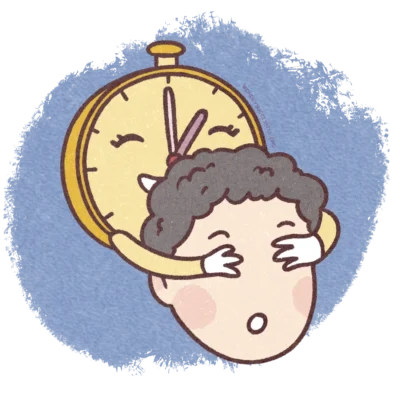
Time blindness is when it's tough to grasp the passing of time. It usually means you under- or overestimate the time a project will take. It makes it tricky to manage schedules, deadlines, and planning. It can lead to procrastination, forgetfulness, and feeling overwhelmed or rushed.

Read moretime blindness
Content type: Glossary Entry📖Glossary Entry

allistic

The term allistic refers to people who are not autistic. Neurodivergent and neurotypical people can both be allistic if they are not autistic.

Read moreallistic
  • Previous
  • Page 1
  • Page 2
  • Page 3
  • Next

Free Resources for Neurodivergent Adults

Get our research-backed, experience-validated strategies & guides for a neurodivergent work & life that you can adapt to what success looks like to you.

Create a free account to get your goodies!

Is the button not working? No worries!
Sometimes ad-blocks stop all pop-ups, even if they are not ads.
This might be the case if nothing happens when you click the button.
Here’s another, non-pop-up way to sign up, please try if this works!

By signing up you allow us to send you Weirdly Successful’s newsletter with practical tips, strategies, and optional training material.
You can unsubscribe any time. Our Privacy Policy makes for a great summer reading!

Weirdly Successful is a 100% neurodivergent-run non-profit, developing strategies & frameworks for neurodivergent adults.

  • E-mail
  • Instagram
  • Mastodon
  • Tumblr
  • Pinterest

DISCLAIMER: All content on this website is for informational purposes only, and does not substitute for medical advice. For medical advice, diagnosis or treatment, consult a medical professional or healthcare provider.

While we strive to represent up-to-date and scientifically accurate information, our authors are not medical professionals unless where specifically noted. All opinions are the authors’ own.

Weirdly Successful’s authors and collaborators are not liable for risks or issues
associated with using or acting upon the information on our site.

All original content Copyright © 2026 · Weirdly Successful · All Rights Reserved.

Privacy Policy